




AQL Sampling for Wholesale Orders: Bags, Caps and Accessories
Understand inspection levels, defect categories and acceptance decisions when planning sample-based checks for wholesale products.
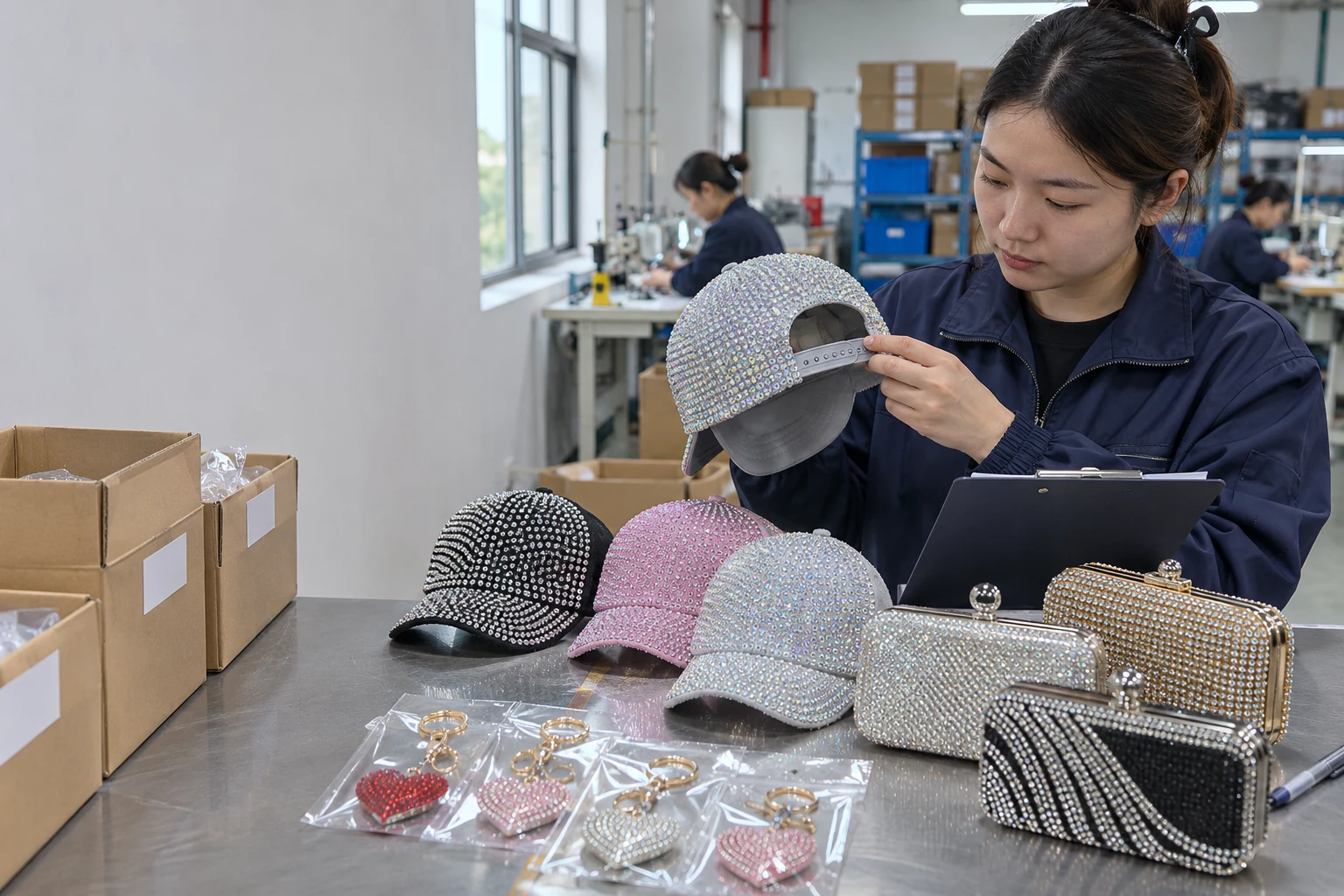
AQL sampling is used to make lot-acceptance decisions from an inspected sample under a defined plan. It does not mean that every unit has been checked, and it is not a promise that a shipment contains no defects. Buyers need to agree the plan and product-specific criteria before inspection.
Define the lot and the product
Identify what is being inspected: product type, style, quantities and the relevant assortment. A shipment containing bags, caps and drinkware may need more than one inspection scope. Discuss lot grouping with the inspection provider instead of combining unlike products simply because they share a container. The selection should reflect the order and its risks.
Separate inspection level from AQL
The inspection level helps determine sampling under the chosen plan; the AQL relates to acceptance criteria. They are different settings. Lot size, inspection level, plan and defect category all matter. Use the applicable standard or a qualified provider’s procedure rather than copying an isolated sample-size number from another buyer’s order.
| Plan input | Buyer decision |
|---|---|
| Lot identity | Which products and quantities are covered? |
| Sampling plan | Which standard, level and procedure apply? |
| Defects | How are findings defined and classified? |
| Acceptance | What limits and release authority apply? |
| Follow-up | What happens after correction or failure? |
Write a product-specific defect list
A missing rhinestone, broken clasp, incorrect cap closure and wrong drinkware component are different findings. Classify defects according to their significance and agreed requirements, with photographs or examples where useful. Do not automatically label every visual defect minor. Safety or regulatory concerns need appropriate handling and may require controls beyond routine acceptance sampling.
Agree checks outside the sampling count
Measurements, function, packing, labeling and documentation may have their own check scope. Laboratory testing is not replaced by a visual sampling inspection. Specify which checks apply to each product and what equipment or references are needed. Supply the approved sample, order matrix and current specification before the inspection date.
Decide what happens after a failed result
Agree who receives the report, who authorizes corrective action and what reinspection is required. Do not ship on the assumption that a reworked lot is automatically acceptable. Record the correction and the subsequent decision. Keep acceptance sampling as one part of the quality plan alongside development approval and in-process controls.
Questions buyers ask
Does AQL 2.5 mean exactly 2.5% defective units are allowed in my shipment?
No. Do not interpret the number as a simple guaranteed shipment defect percentage. It is used within a defined sampling and acceptance framework.
Can one passing inspection establish compliance?
No. Product compliance and laboratory testing may require separate evidence and assessments.
Prepare your quotation request
Provide the product list, lot quantities, approved references and any buyer inspection protocol. Ask for the sampling, functional checks, reporting and corrective-action scope to be defined before production is released.
Related products and planning guides
Reference: QIMA AQL explanation and calculator. Product availability and project requirements are confirmed in your quotation.