
An existing catalog design
What we reviewListed options, base product construction and the changes you need.
What to confirmProduct reference, quantity per option and approved customization scope.

Our Capabilities
Explore OEM clothing and customization options for apparel, bags, headwear and accessories. Your specification determines the garment manufacturing process, required samples and production plan. Equipment, capacity and timing are confirmed for the individual project.
PRODUCTS, DETAILS AND PRODUCTION PLANNING
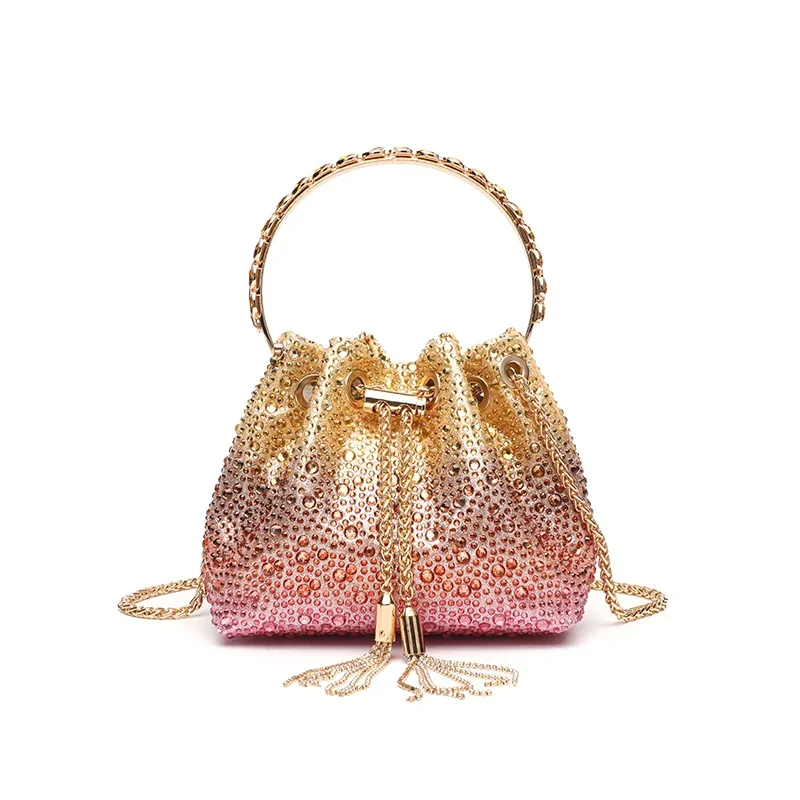
Our Capabilities
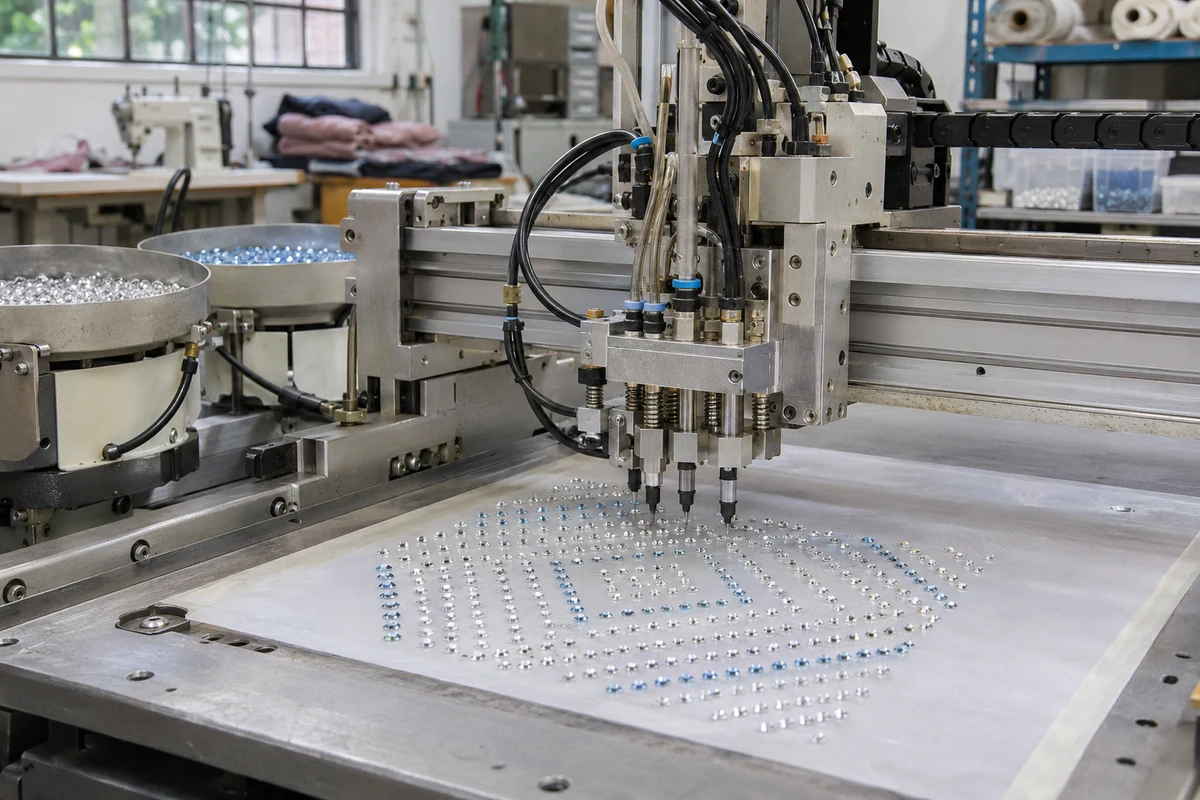
Define artwork, rhinestone decoration, colors, fit, dimensions and finishing. Custom clothing production must account for the base material and construction; a decoration suitable for one product may not suit another.
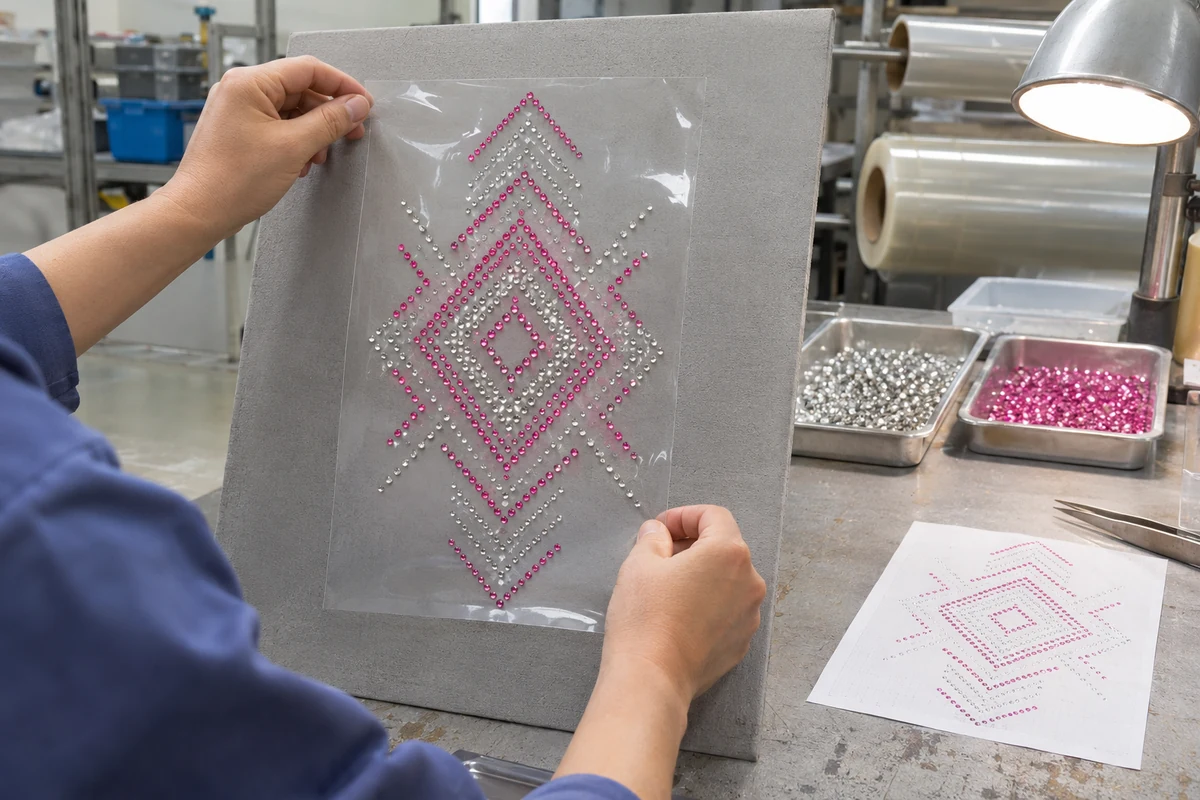
Use a clothing tech pack or clear reference to communicate materials, measurements and artwork. Agree on what the sample must show and keep the approved version with the production specification.
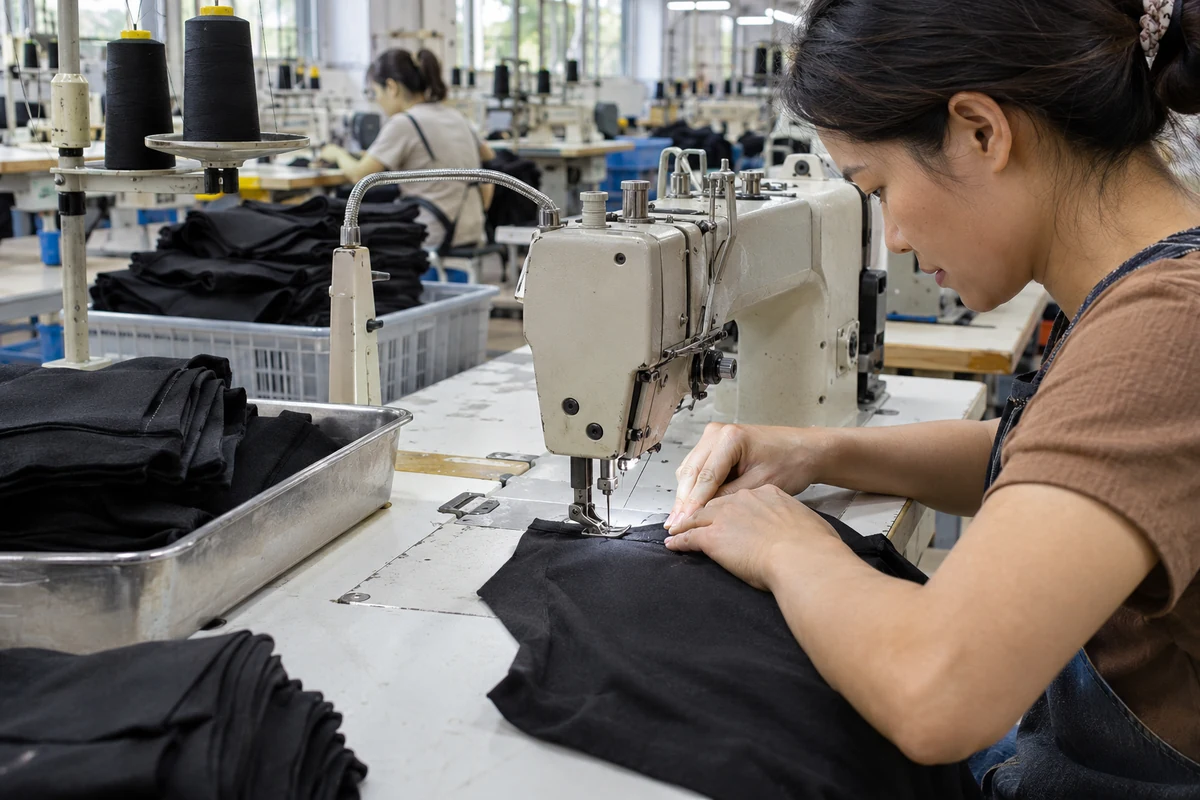
Match the apparel manufacturing process to the item, materials and order mix. Confirm the relevant production stages, equipment needs, inspection points and available schedule instead of applying one factory-capacity figure to every order.
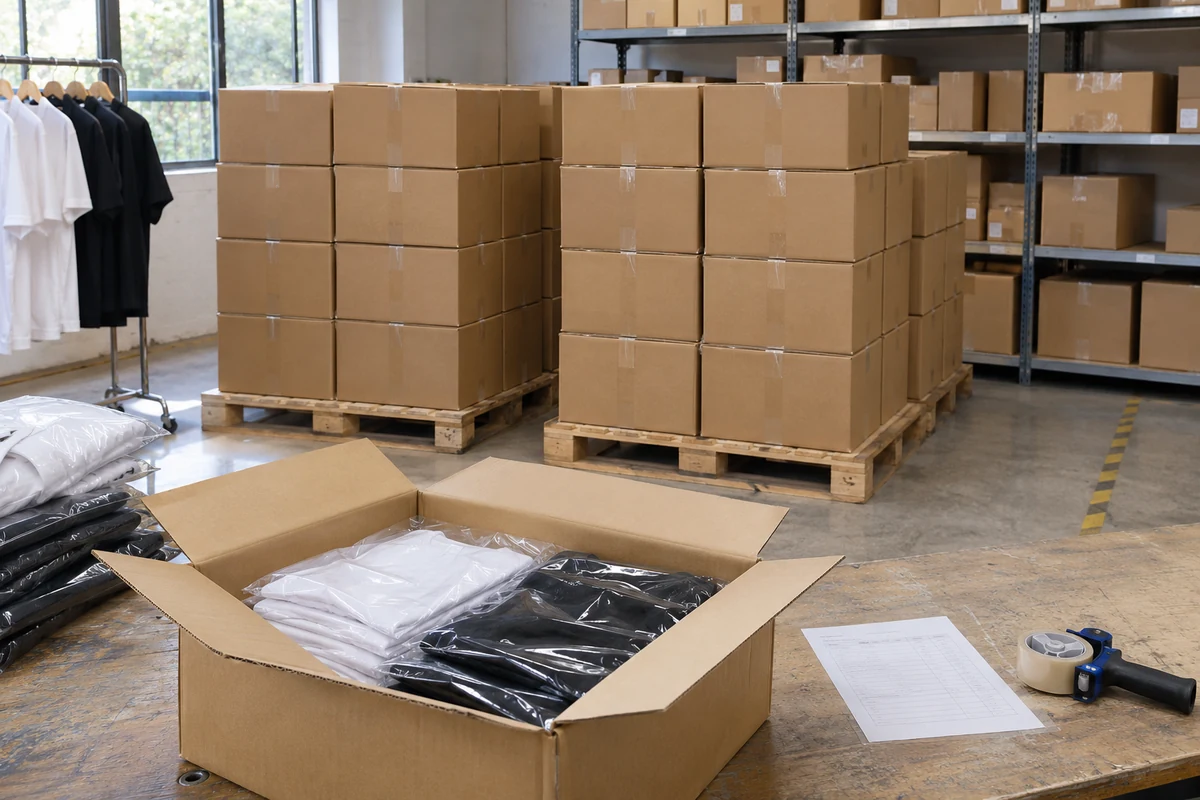
For OEM apparel, coordinate quantities by color and size, branding, labels and packing. Batch production for clothing needs a defined option mix and approval plan; repeat orders should refer to the same specification revision.
FINISHED-PRODUCT FAMILIES
Explore existing products to establish the look, materials and details for your inquiry. These are catalog references, not a promise that every variation is available.
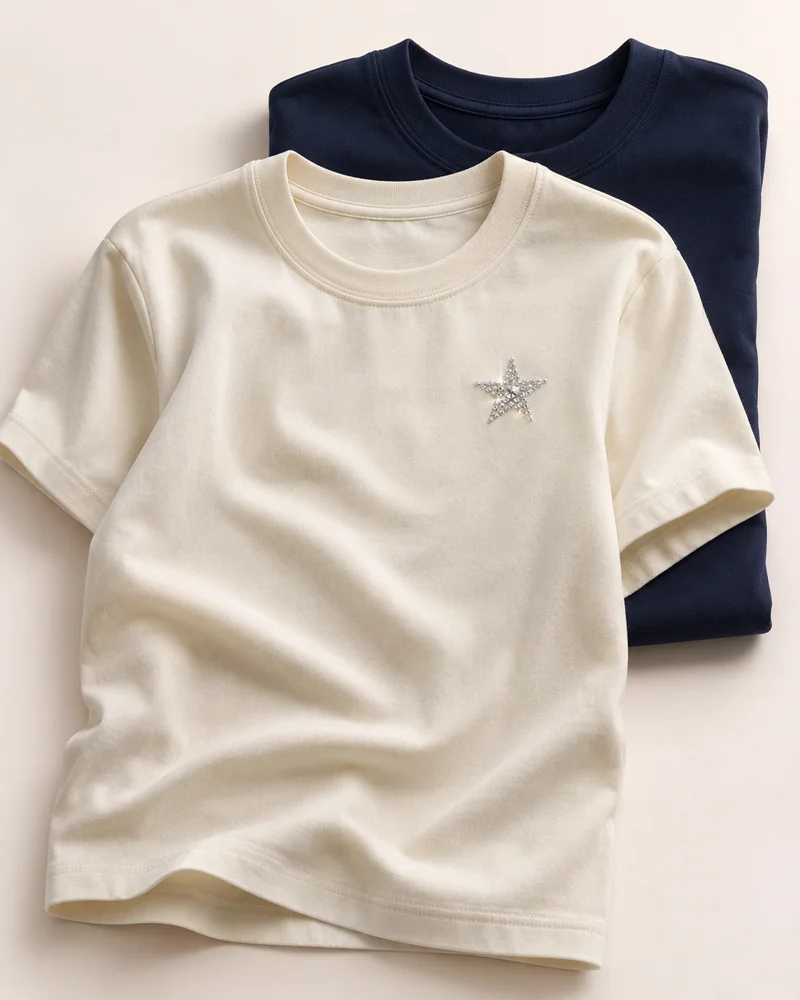
Plan clothing production around the chosen garment, fit, fabric, size range and rhinestone or artwork placement.
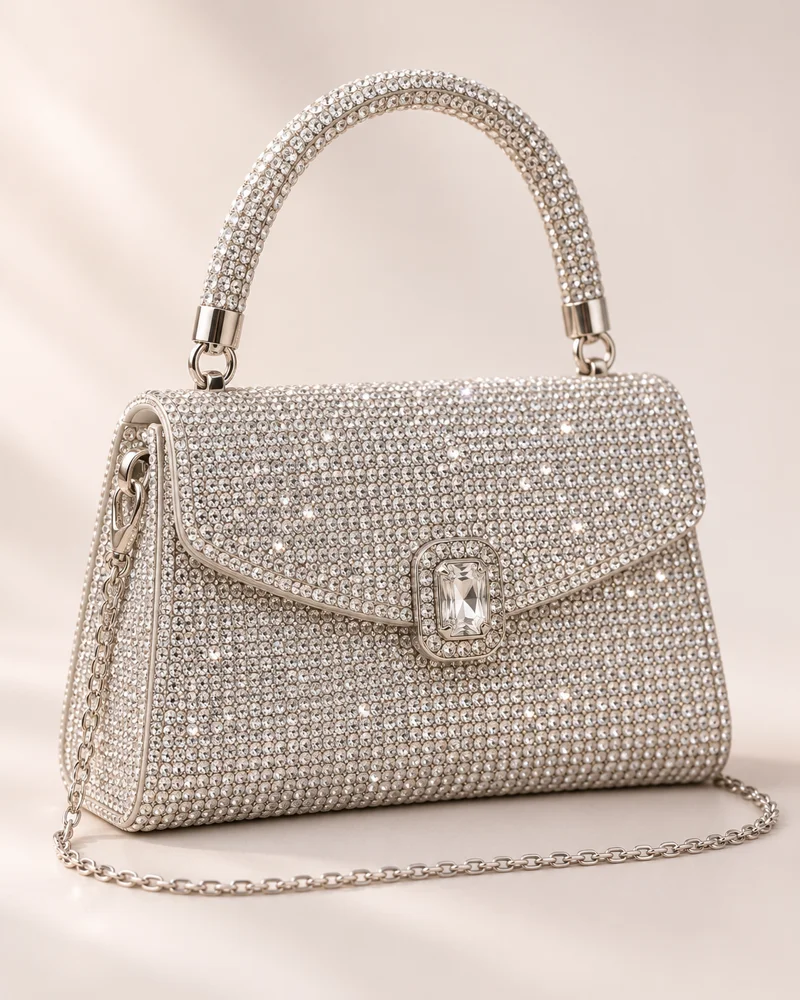
Compare construction, handle styles, dimensions and crystal details for your collection.
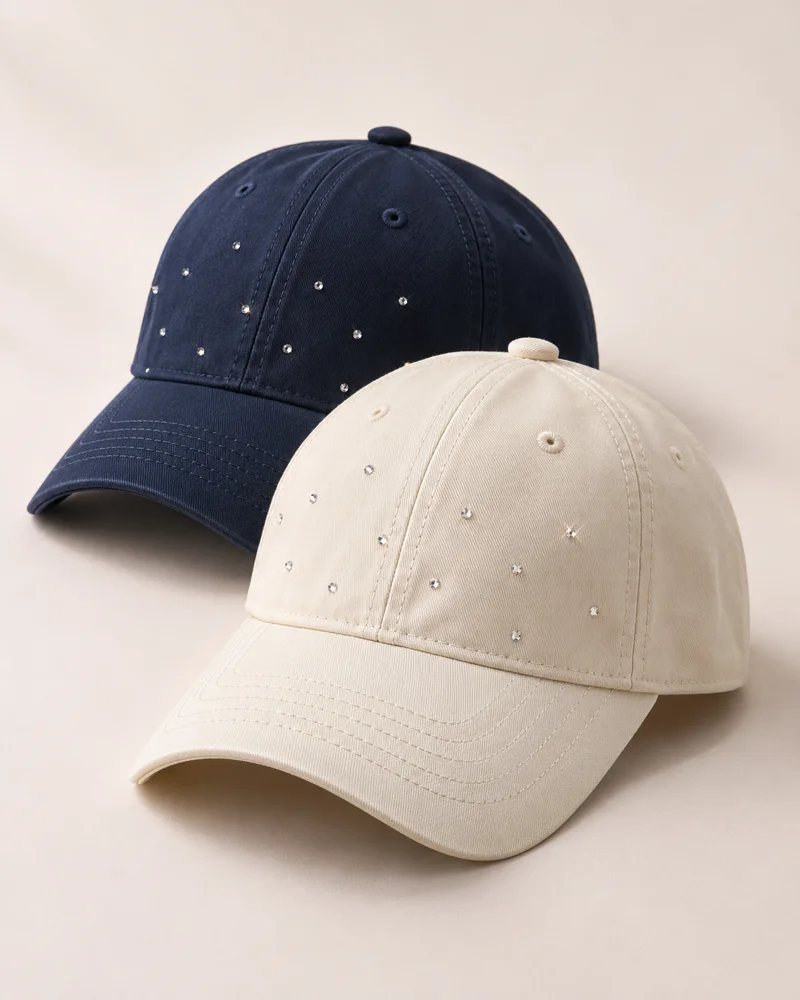
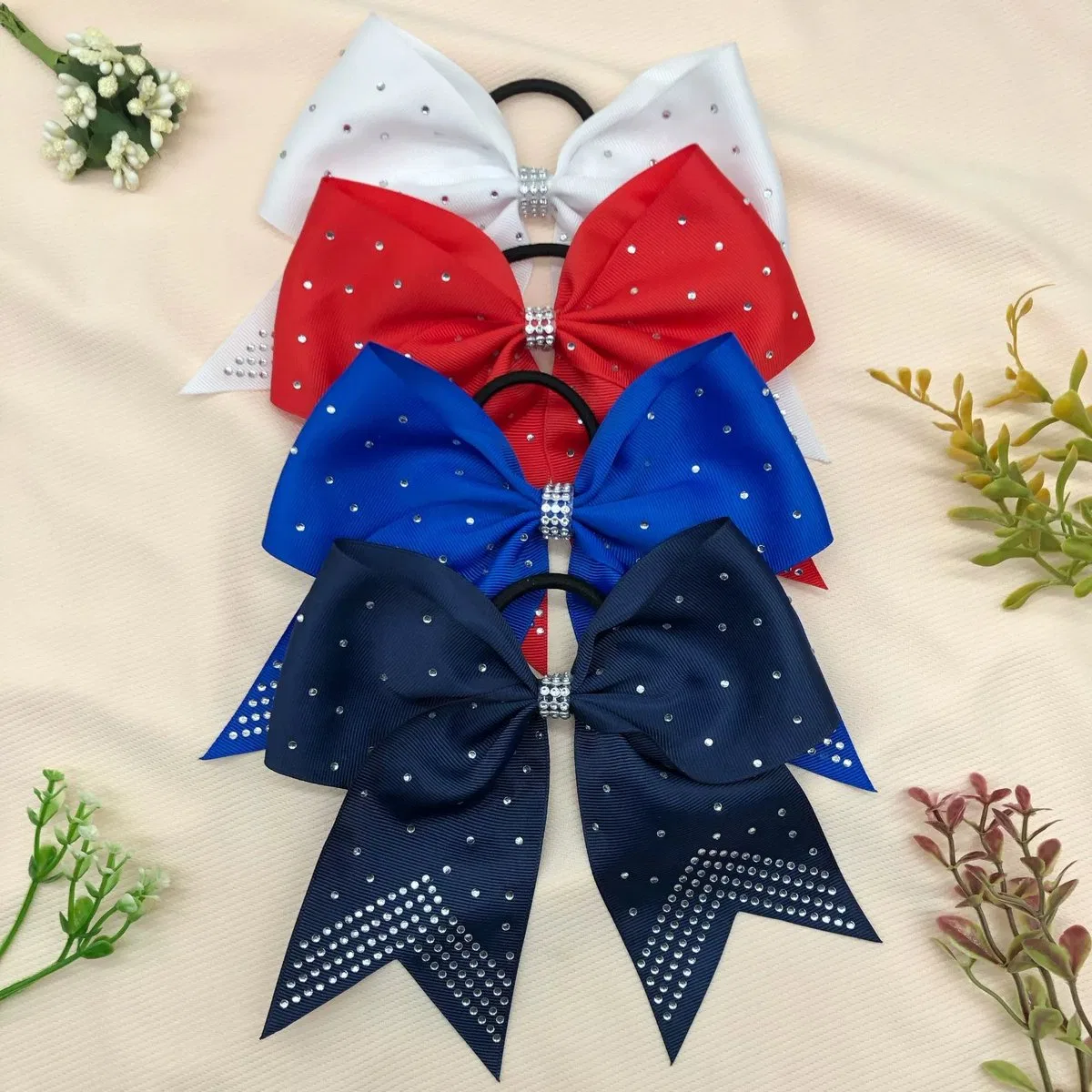
Choose a headwear reference and discuss colors, decoration placement and branding.
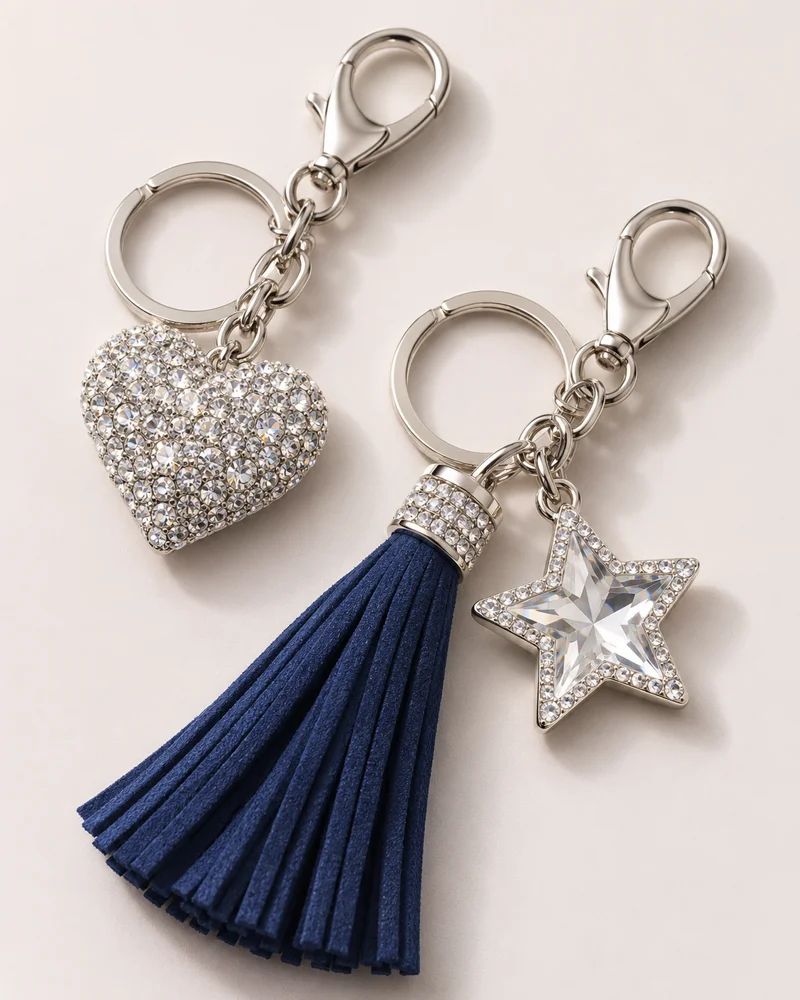
Explore smaller finished products such as keychains and bag charms for a coordinated range.
Illustrative category images. Browse each collection for actual product photographs and specifications.
DETAILS THAT DEFINE YOUR PRODUCT
A clothing brand tech pack brings the design decisions into one reference. For a bag, cap or accessory, use the same principle: communicate the construction, material, dimensions and finish rather than relying on a product name. Missing details should be resolved before sample approval.
WHOLESALE & OEM PLANNING
When assessing an OEM clothing manufacturer or a finished-accessory project, ask how your specific item will be developed and produced. The clothing production process should identify approval stages, material requirements and inspection points, not just an estimated delivery date.
What we reviewListed options, base product construction and the changes you need.
What to confirmProduct reference, quantity per option and approved customization scope.
What we reviewDrawings or a tech pack, materials, construction and sample requirements.
What to confirmFeasibility, sample purpose, revision record and final specification.
What we reviewBrand artwork, labels, presentation and coordinated product requirements.
What to confirmLabel placement, packing, quantity per item and repeat-order references.
What we reviewMaterial needs, color/size mixes, process requirements and destination.
What to confirmMinimums, production schedule, inspection scope and commercial terms.
BEFORE YOU GET STARTED
No. A product link, clear reference photograph or sketch is a useful start. Add dimensions, material preferences, artwork and quantities where available. Missing details can then be identified during the project review.
A tech pack is the technical reference for a garment: drawings or views, materials, measurements, construction details, artwork, trims and other production instructions. It helps the people reviewing, sampling and producing the item work from the same specification. The level of detail depends on the product and stage of development.
Start with clear front and back views, then add materials, measurement points, size requirements, seams or construction details, artwork placement, trims and packing instructions. Identify each revision and record sample feedback. If some details are undecided, mark them for review instead of leaving the production team to guess.
For a rhinestone tee, a useful example would identify the base fabric, garment measurements, artwork dimensions, motif position and size breakdown. A bag needs different construction and measurement details. The example should explain how to specify that product, not imply that one document works unchanged for every category.
A template can organize information, but it must be adapted to the actual garment. Check that its measurement table, construction notes, artwork views and materials list fit your design. Teebling does not offer a downloadable template on this page; you can submit your existing document or reference for a project review.
A typical planning sequence is specification review, material selection, sampling, approval, production, inspection and packing. Cutting, sewing, decoration and assembly requirements differ by product. Your quotation and project review should establish the actual sequence and approvals rather than assuming every order follows identical steps.
An OEM arrangement generally starts with the buyer's product specification; an ODM arrangement typically starts with a supplier-developed design that may be adapted. These labels do not define every responsibility. Confirm who supplies the design, what can change, who owns the artwork and what sample and production work is included.
Yes. Include the quantity for each requested color and size. The available combinations and any minimums need to be confirmed for that product; a total quantity alone does not define the production mix.
No. Suitability depends on the material, construction, decoration and intended use. Describe the result you want so an appropriate option and any sample requirements can be reviewed.
Ask which stages and equipment are relevant to your item, how the approved sample is used, where checks occur and how the order fits the available schedule. Request project-specific details. This page does not claim that every product is made on one production line or publish an unverified monthly factory capacity.
A sample is used to review specified product details before an order proceeds; a production run makes the confirmed quantities to the approved specification. Costs, material availability and timing can differ. Sample approval does not remove the need to confirm production capacity, inspection and packing for the bulk order.
No single figure applies to every finished-product order. The product, process, materials, quantity and production schedule affect capacity and timing. Ask for the relevant details with your project quotation, including which approvals are needed before the schedule begins.
LET’S TALK ABOUT YOUR PROJECT
Choose a catalog reference or send your clothing design tech pack, artwork and quantities. Include the intended use, destination and target date so the product, sample scope and production requirements can be reviewed together.