




Can You Move an OEM Mold to Another Factory? Check Fit, Condition and Handover
An OEM mold can sometimes move between factories, but a tool that made an acceptable part at the sending site is not automatically ready to run at the receiving site.
An OEM mold can sometimes move between factories, but a tool that made an acceptable part at the sending site is not automatically ready to run at the receiving site. A production move has three distinct approvals: authority to move the physical tool, suitability for the receiving equipment and a part made and accepted on that equipment. The tool’s appearance answers none of those on its own.
Inspect and identify the complete assembly
Read the tool ID against the approved part drawing. Get photographs of both halves, identification plates, removable inserts, any spare ejectors and contact areas before packing. Ask which features have been repaired, shimmed or adjusted since the last approved samples. A mismatched insert can matter more than slight wear on the outside faces. Photograph and seal the listed pieces together so the receiving team knows what was shipped.
Ask the receiving shop to check its machine and the tool drawings as a pair. For a small injection mold, its press, mounting pattern, opening stroke, ejector interface and connections have to suit that particular tool. Establish the material and resin grade used by the last shop. Do not treat a resin substitute or a location change as a routine repeat order when it may change latch behavior or dimensions.
Plan a receiving trial with decision points
| Gate | Evidence to request | Stop if |
|---|---|---|
| Before shipping | Tool ID, latest drawings, prior approved parts, maintenance and inventory sheet | A working insert or drawing revision cannot be identified |
| At receipt | Documented condition, installation review and any interface changes | Someone needs to alter the tool before you have agreed what may change |
| After a controlled trial | First parts marked by cavity where applicable, dimensions and assembled function | A receiving part fits the drawing but no longer meets the agreed assembly check |
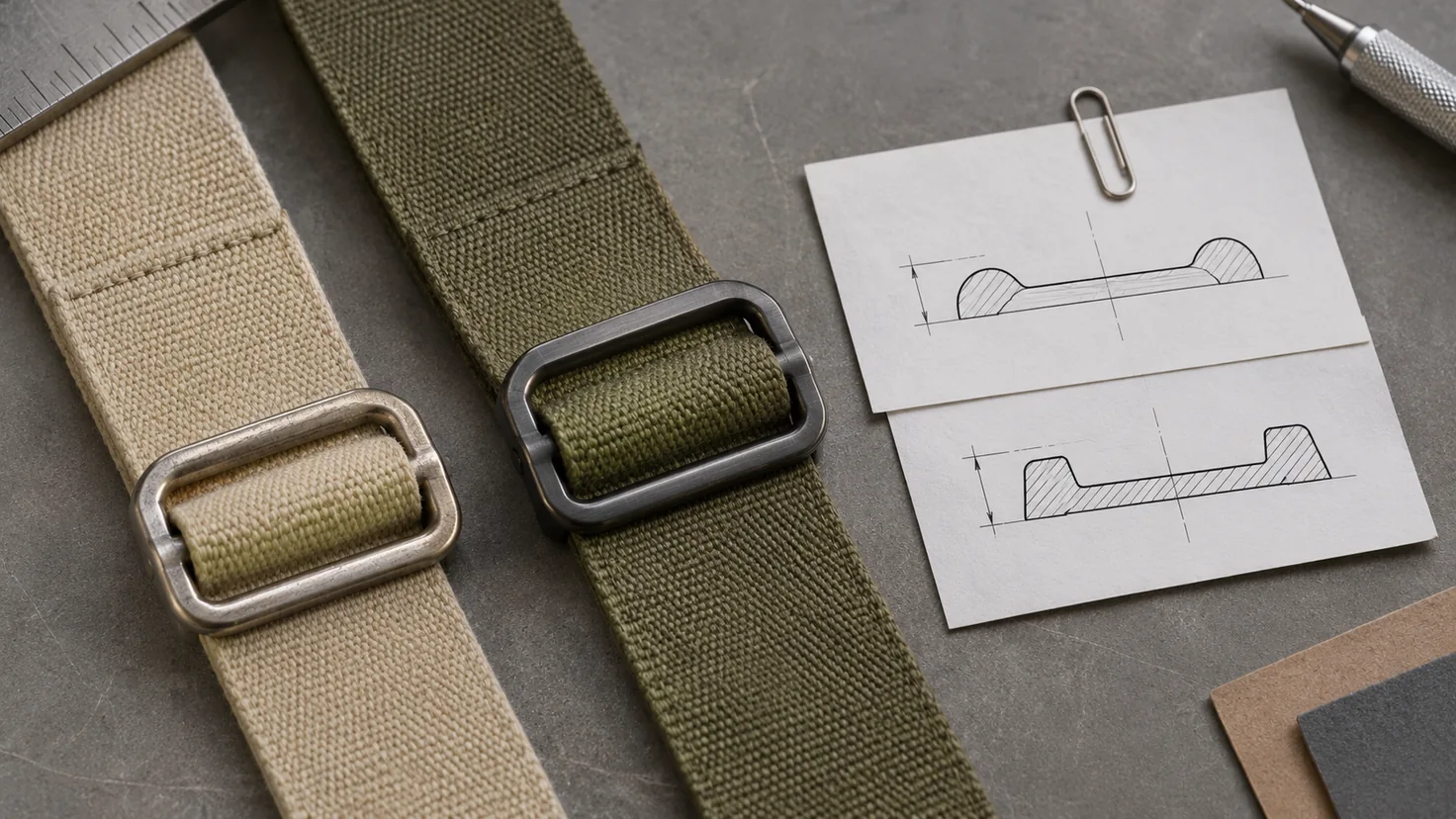
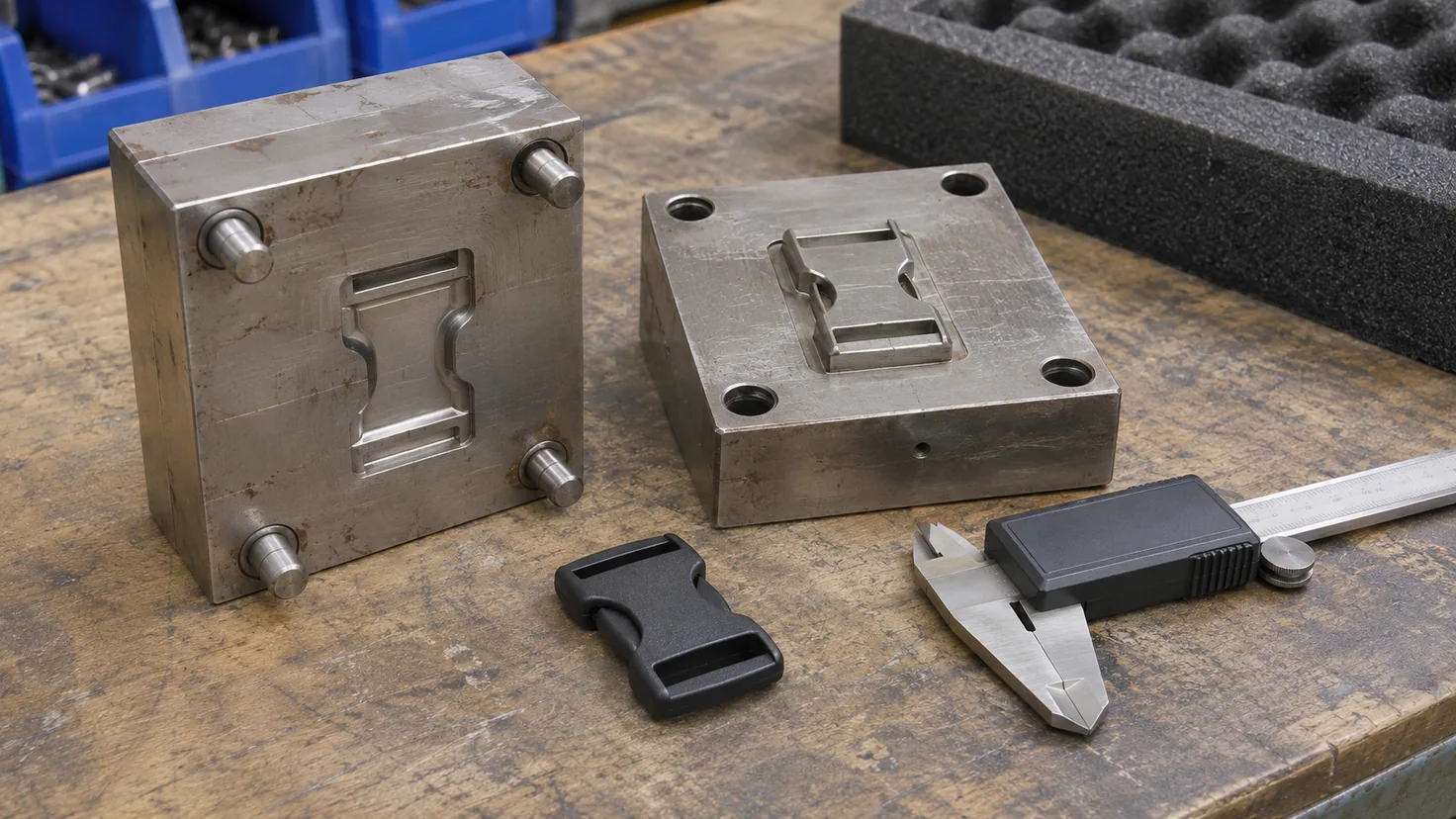
A black buckle is a useful example because dimensions on its loose body are not the whole release. Keep the same accepted webbing during the comparison. Check how the strap feeds, how the parts mate and whether closing or releasing the buckle meets the agreed requirements. If one cavity fails and another passes, identify the cavity on the parts and keep the run on hold until the cause is understood. One attractive part cannot clear a multi-cavity tool.
For related examples, review the wholesale tooling and mould-cost guide and use Teebling’s B2B catalog to provide a finished accessory reference. The cost discussion is separate from deciding whether an existing tool is fit to move.
Does paying a tooling fee give us the right to collect the mold?
Do not infer that from an invoice line alone. Confirm the agreement, the tool ID and who can authorize release with the two parties. If the tool is unsuitable for transfer, ask for a repair or fresh-tool proposal rather than promising a bulk date based on the old tool.