



What Does ODM Design Exclusivity Cover? Six Questions Before You Approve a Style
ODM design exclusivity is only as useful as the style and sales limits that both parties can identify.
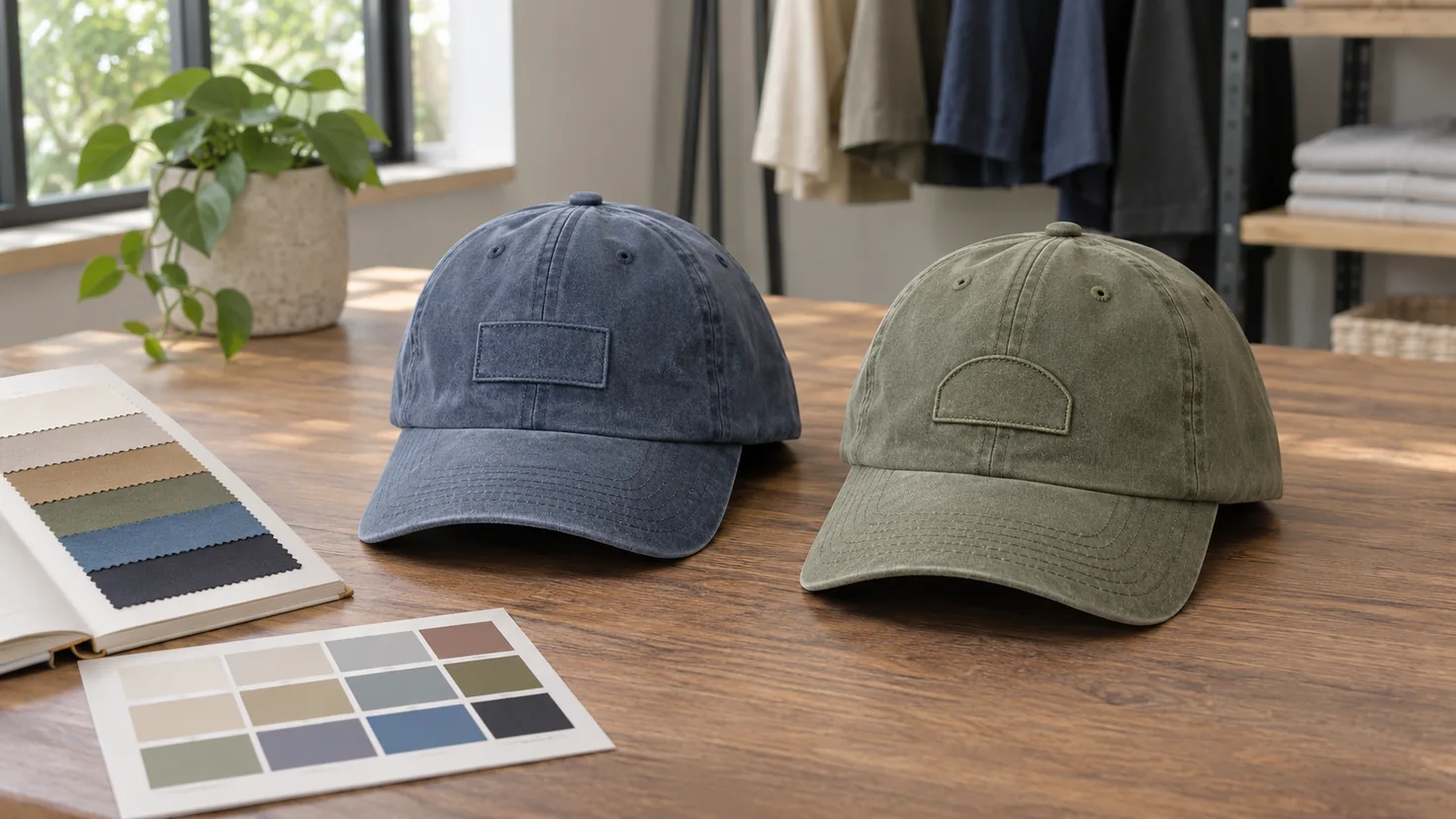
ODM design exclusivity is only as useful as the style and sales limits that both parties can identify. “Exclusive cap” does not tell you whether the promise concerns the pattern, your brand artwork, a colorway or sales to a particular retailer. Get the proposed scope in writing before approving a design or paying for a commitment. These questions prepare a commercial discussion; they are not a substitute for advice on a signed agreement.
Describe the item a third party could identify
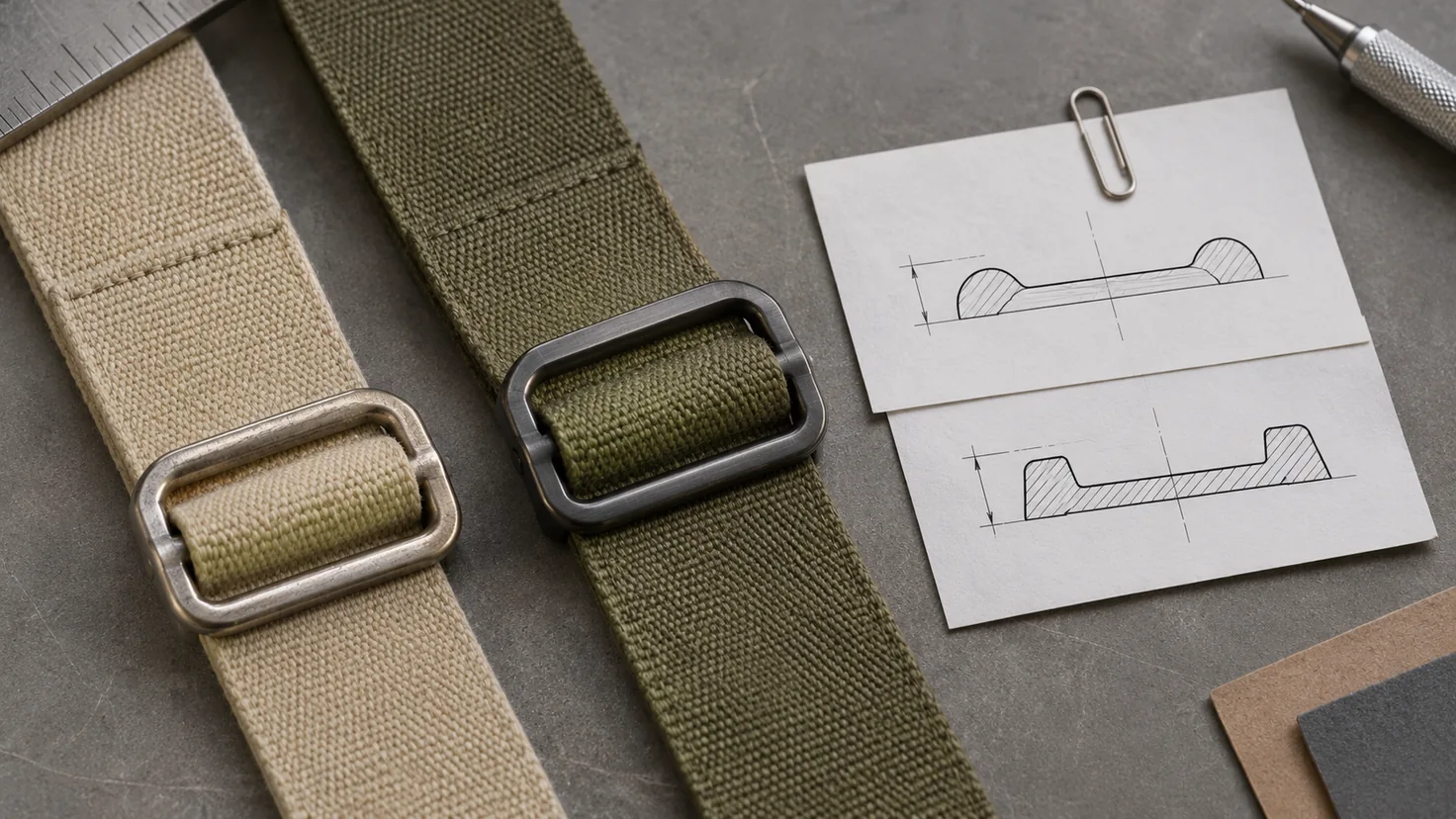
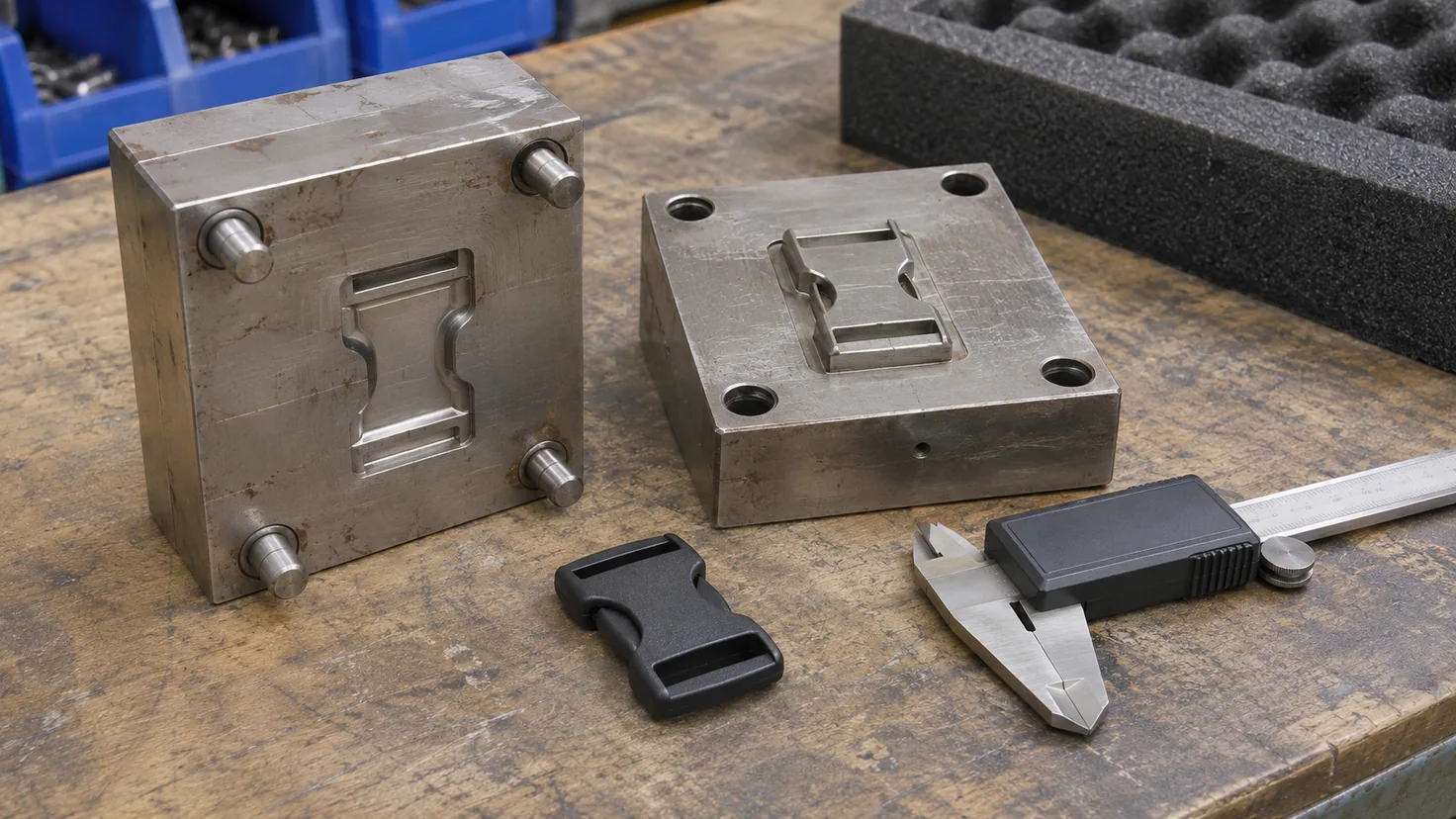
- What is the covered style? Use the supplier’s base model number, your drawing revision and photos of an approved sample. List which differences make a style separate. A cap with the same crown and visor but a different buckle could otherwise be ambiguous.
- Which variants are covered? Ask whether an exclusive color includes the same base cloth with a different lining or brim detail. If only one exact combination matters, name it instead of requesting a restriction over a whole product family.
- Where would the restriction apply? List territories or accounts instead of “domestic” and “international.” Ask which party controls deliveries when a distributor serves more than one market.
- Which channels are included? Compare direct retail, marketplaces, wholesale and made-to-order sales to other brands. Clarify which parties the supplier can control; a manufacturer may not control independent resale.
- When does coverage start and end? Ask whether dates depend on sample approval, first production or recurring purchases. Record what review occurs before renewal.
- What is excluded or already committed? Ask which stock materials, prior sales or preexisting patterns are outside the proposal and how new variants can be reviewed.
Use a row for each combination rather than one sentence for the entire range. For example, “style C12, olive twill, nickel buckle, US specialty retail, from the first accepted shipment” is a better starting point than “our olive caps everywhere.” A separate slate shade may remain open if that is what both parties agree. Use photographs and a revision number to remove guesswork when two shades are close.
Compare a defined brief with the actual sample
Choose a silhouette from the custom wholesale headwear references before discussing what you want reserved. Record which features were already supplier-owned, which are yours, and which will be developed together. The manufacturer’s promise about making an item for other buyers and your ability to use artwork or a design elsewhere are separate questions. The WIPO discussion of IP agreements with suppliers is a useful starting point for what to document.
Is a custom label the same as an exclusive design?
No. An exclusive brand label on a publicly available base doesn’t establish that other buyers cannot order the base. If that distinction matters to a retail launch, put it on the sample approval sheet and have the commercial terms reviewed separately.