






Garment Costing: Compare Quotes With a Unit Cost Breakdown
Put apparel quotes on the same basis before deciding which supplier, quantity or decoration option to sample.
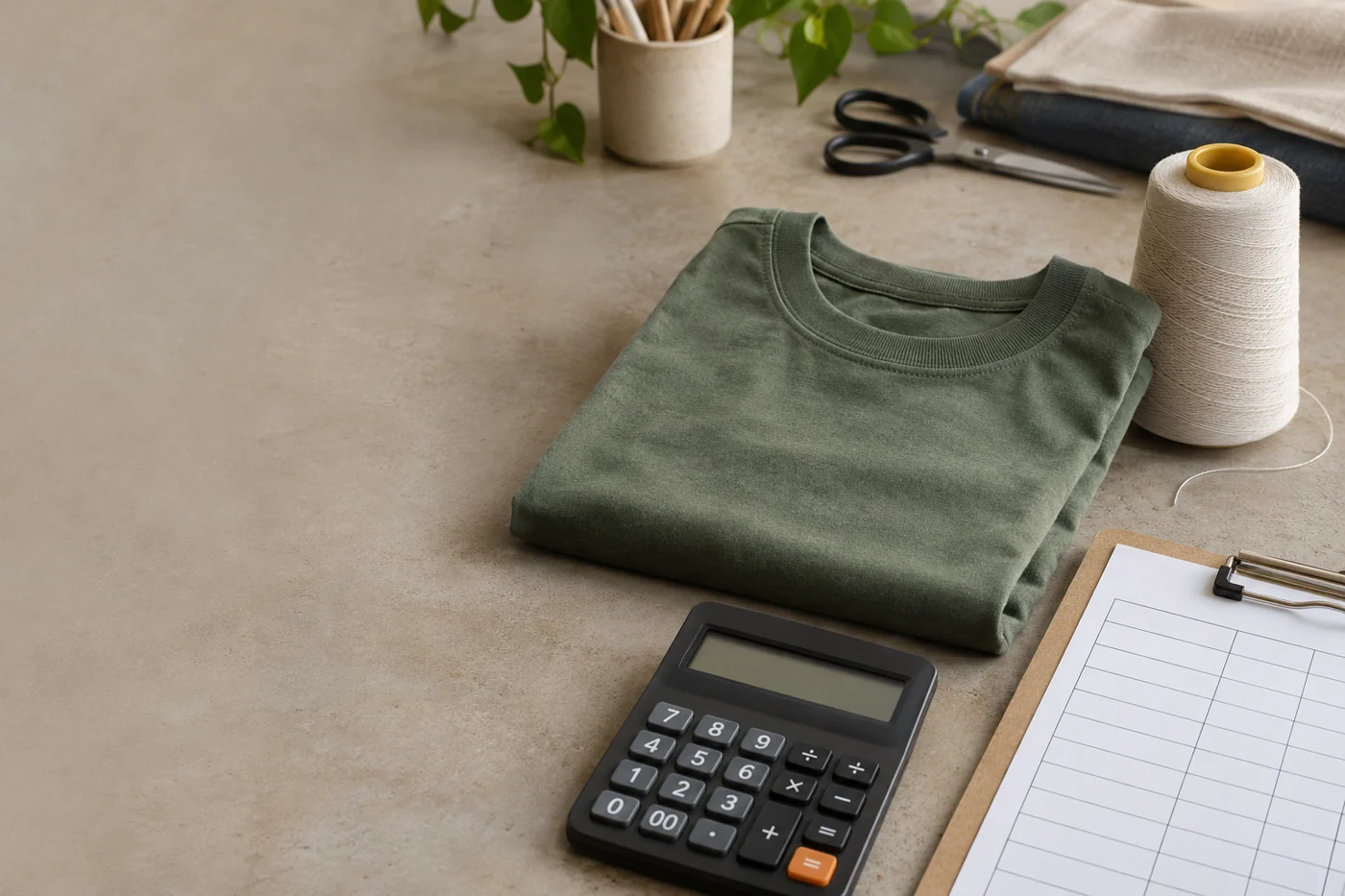
Two garment quotes can have very different inclusions. A lower unit price is not necessarily a cheaper order if the supplier quoted one color instead of three, left out the decoration setup or assumed the buyer supplies tags. Garment costing breaks the unit price into comparable parts before you commit to sampling or production.
Hold the product and quote scope constant
Give both suppliers the same garment revision, size and color mix, decoration size, packing plan, quantity and delivery basis. Ask which costs are included, which are optional and which depend on sample review. A patterned garment and an undecorated blank are not comparable until you have normalized what each quote actually delivers.
- Materials and consumption
- Separate unit material price from the amount consumed. Confirm whether cutting loss is already built into the estimate.
- Labor and decoration
- Identify the cut, sewing, finishing and application steps. Ask whether the quoted rate assumes a particular artwork, size or color split.
- Packing and checks
- Separate per-piece packaging or inspection from charges billed for the job or separately by a service provider.
- Setup and samples
- Identify one-time fees and whether the same fee applies to a repeat run after an artwork change.
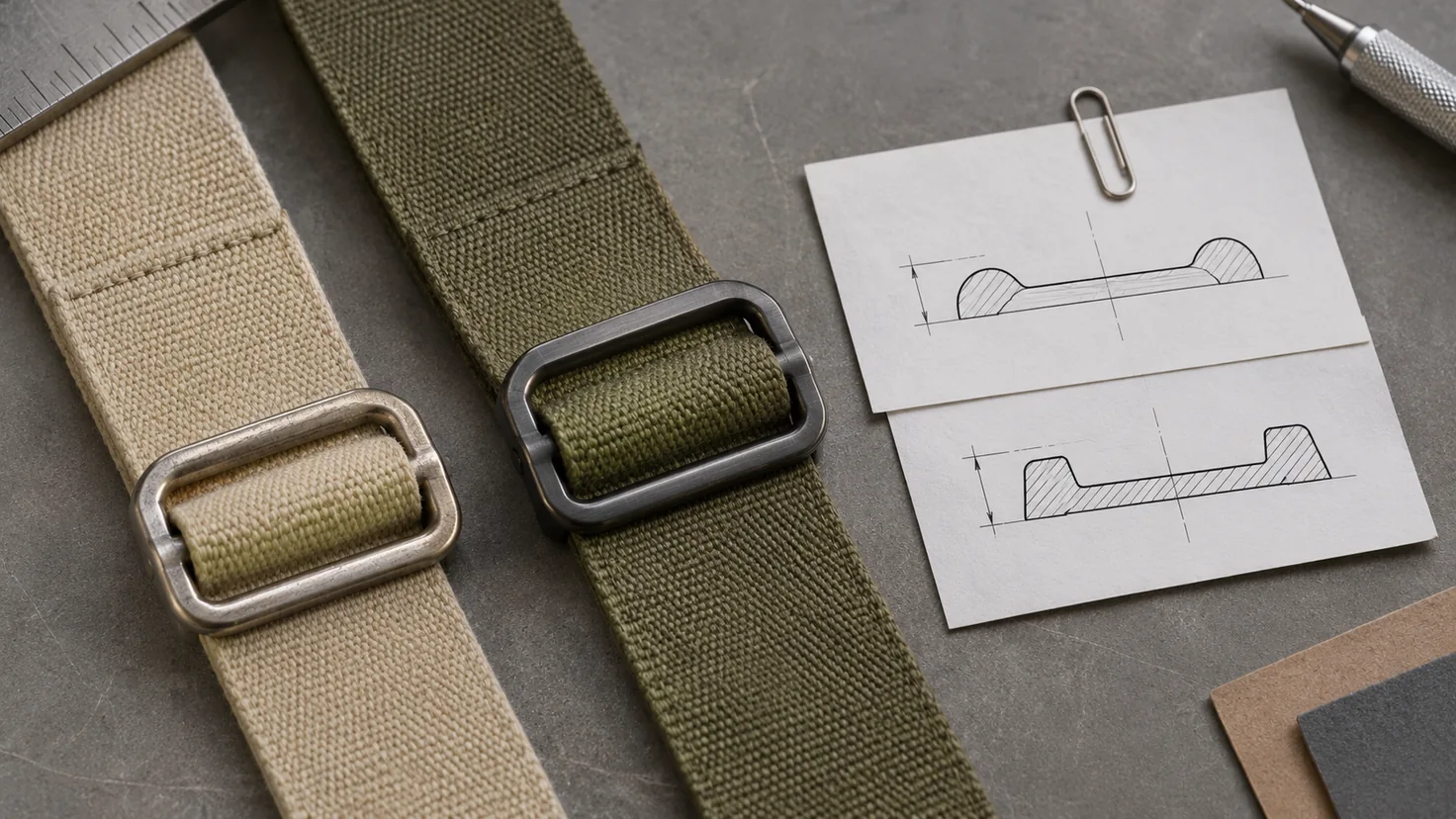
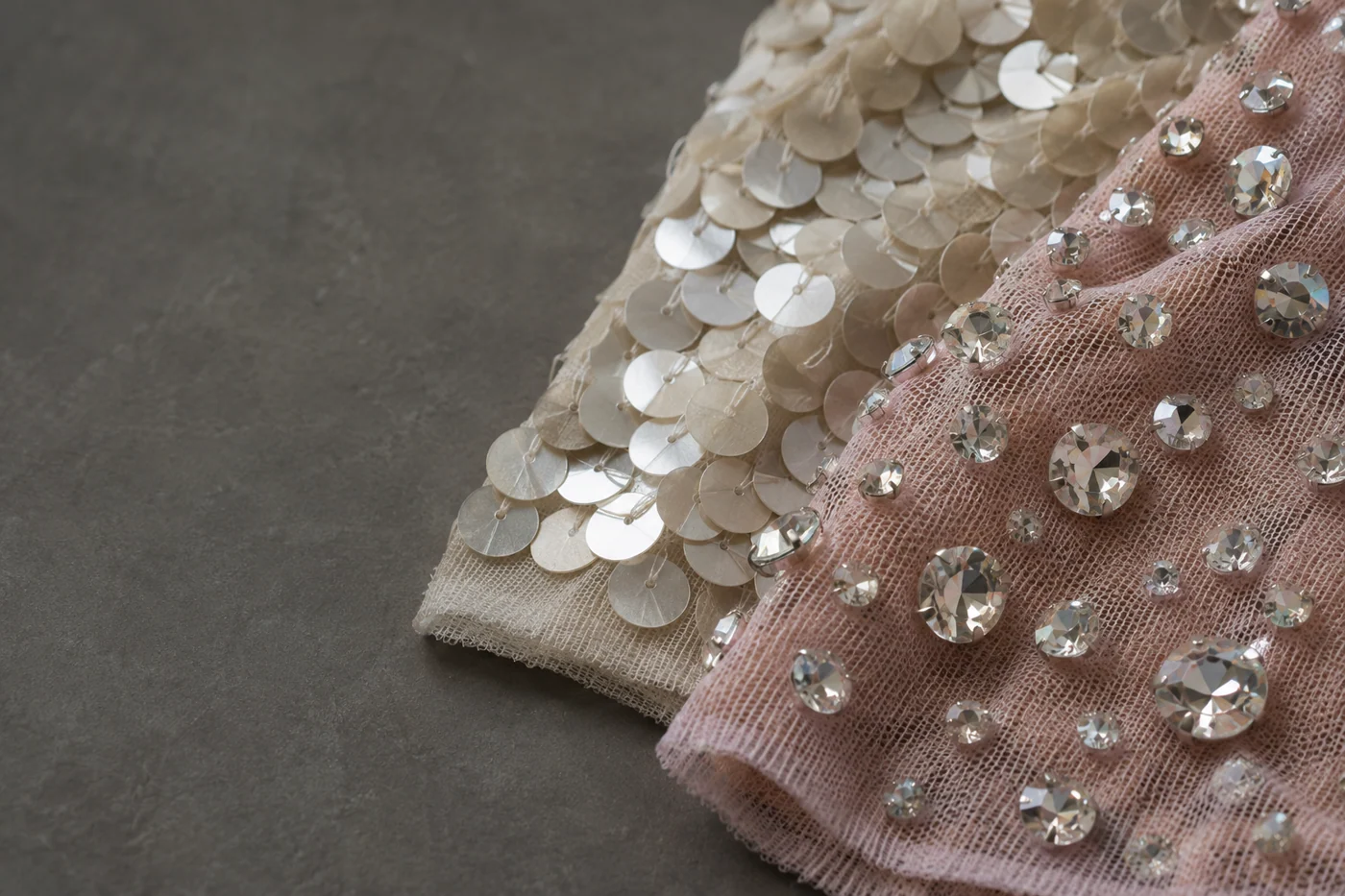
The finished apparel collection offers examples of different base garments and decoration. The prices in the calculation below are hypothetical, not a catalog or factory quote.
Run a simple quantity sensitivity calculation
Imagine a $7.40 recurring cost for a garment and a $120 one-time setup. At 100 units, the setup adds $1.20 per unit, for a comparable subtotal of $8.60 before freight. At 300 units, it adds $0.40, for a subtotal of $7.80 if the recurring cost stays fixed. If the larger order also introduces an additional color setup, add it separately. A lower per-unit price can still leave a much larger total amount tied up in stock.
Check what a price change actually buys
If a fabric substitution reduces a quote, ask whether consumption, decoration feel or the expected sample approvals also change. If switching package style saves money, identify whether the change affects the protective packing or only its presentation. Compare like-for-like first, then compare alternatives in separate columns. Add freight, duty and other order-wide costs later when calculating landed cost; do not silently mix them into one supplier’s garment cost only.
Attach the final spec and ask for the base cost, customization charges, fixed charges and options to be shown separately. This makes it easier to compare the difference between an undecorated sample, a decorated sample and a bulk quote.
Request an itemized apparel quotation
Reference: Techpacker’s costing sheet explanation.