




Minimum Order Quantity Explained: Planning Your First Custom Clothing Order
Understand per-style and per-color minimums, build a workable size mix and compare quotes for the order you actually need.

A supplier’s minimum order quantity, or MOQ, is the smallest order it is prepared to accept for a stated product or production arrangement. The number alone is not enough. You also need to know what that minimum applies to and which options can be combined.
Separate garment, material and decoration minimums
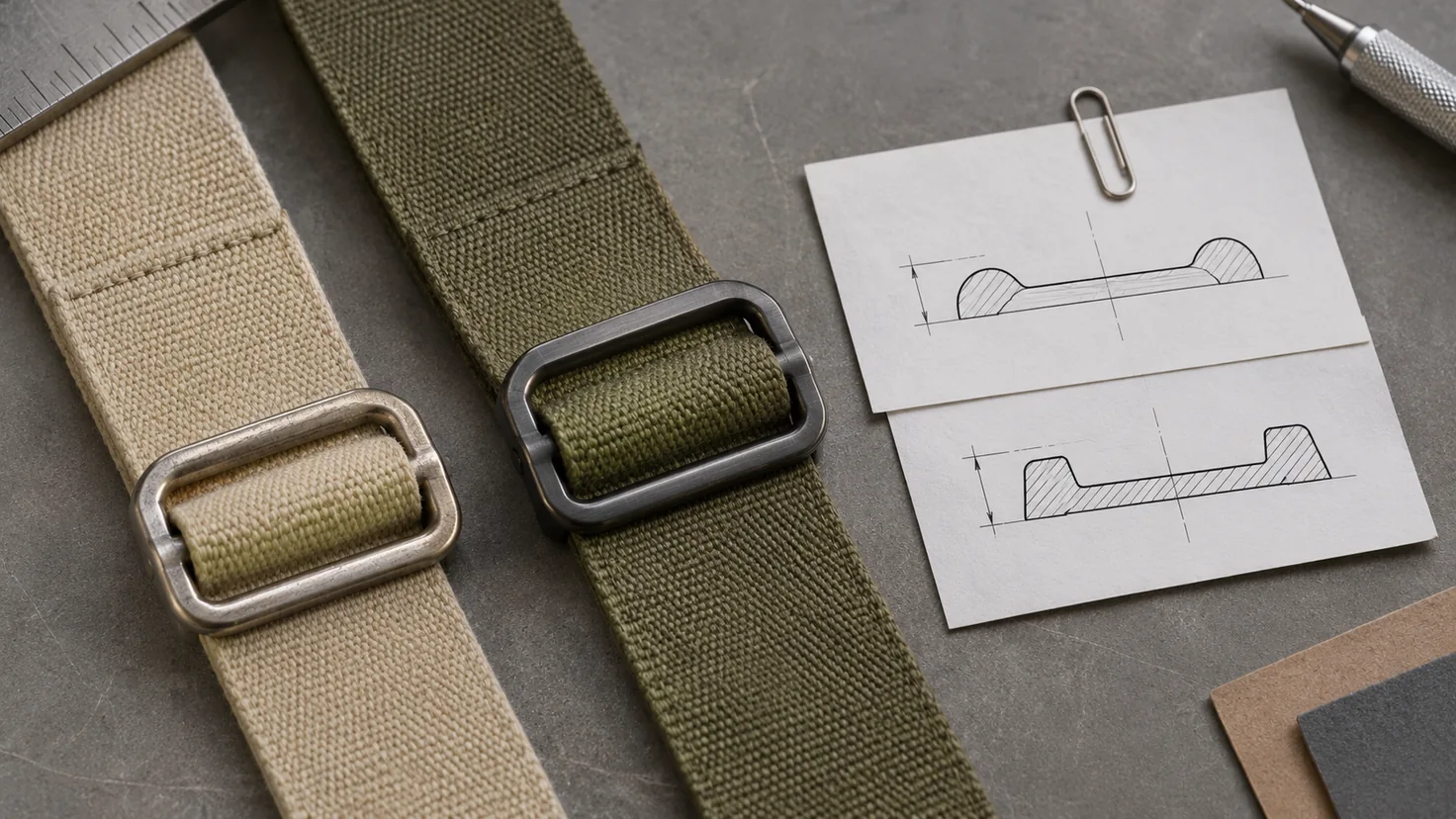
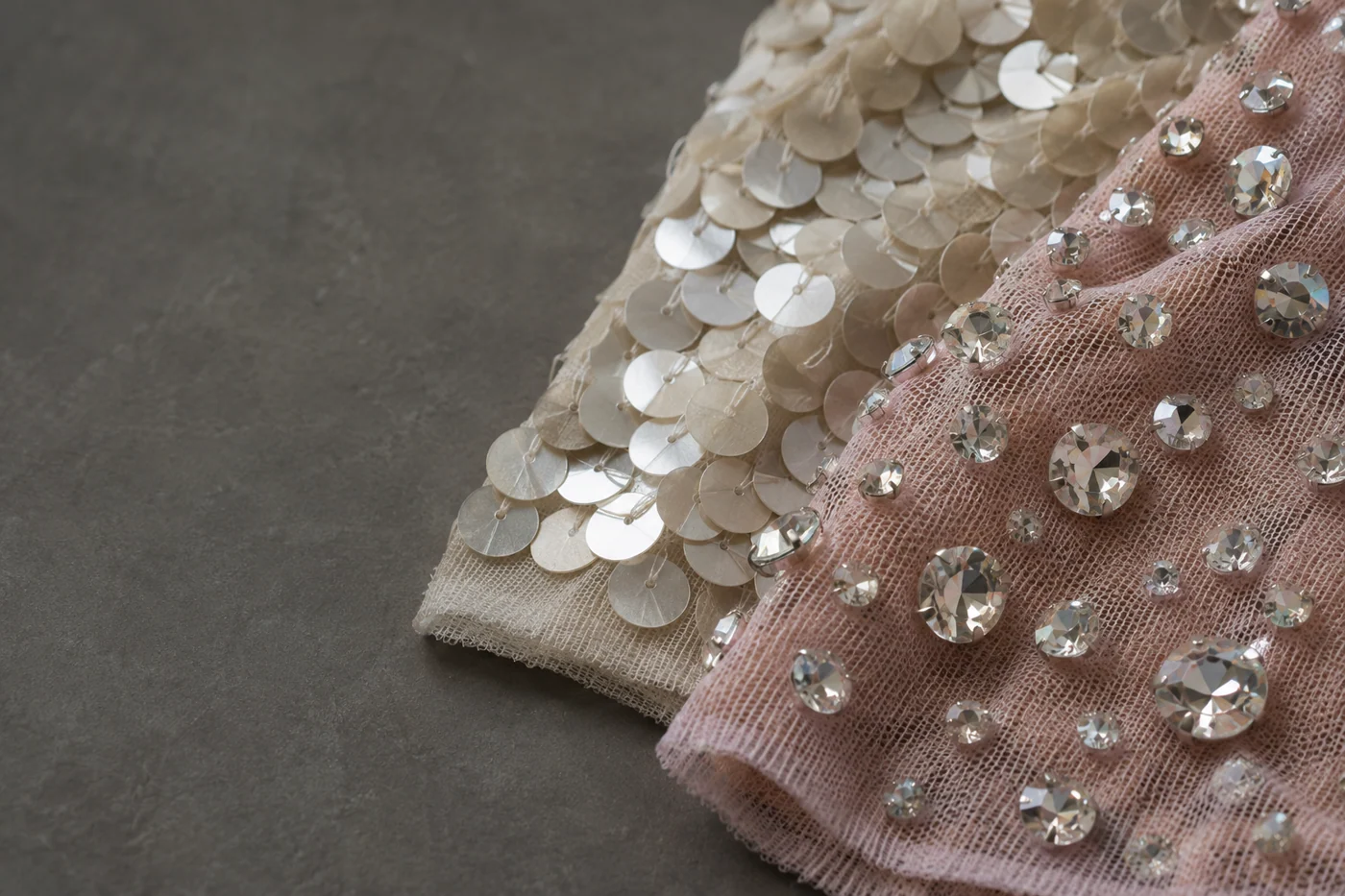
Cutting and sewing may be only one part of your order. A custom-dyed fabric, special trim or individually packed label can have its own purchasing requirement. Ask the supplier to identify which component creates the minimum and whether an existing alternative changes the proposal.
This is a finished-clothing planning guide. A minimum quoted for loose transfers or another component does not establish the minimum for a completed decorated garment. Keep those quantities separate when discussing custom manufacturing services.
Build a size-and-color matrix
Use an order worksheet rather than a message saying “300 mixed pieces.” The example below shows a planning calculation only; it is not a Teebling minimum or a suggested demand forecast.
| Color | S | M | L | XL | Total |
|---|---|---|---|---|---|
| Navy | 20 | 40 | 50 | 40 | 150 |
| White | 20 | 40 | 50 | 40 | 150 |
| Total | 40 | 80 | 100 | 80 | 300 |
If the supplier’s proposal requires 150 pieces per color, this mix would meet that condition. If it requires 300 per color, the same total would not. Confirm whether a different decoration on the same garment creates a separate minimum.
Reduce complexity before increasing quantity
When the first proposal is too large, ask about using an available fabric, fewer colors or a common trim across the collection. These are questions for the supplier, not guaranteed ways to obtain a lower MOQ. Changes must still support the product you intend to sell.
- Can the same fabric be used across two styles?
- Is a stock color suitable instead of a custom dye?
- Can one label design cover the range with separate size identification?
- Does the supplier offer an existing garment suitable for your artwork?
- Can optional packaging be simplified without compromising protection?
Compare the total commitment
A lower unit price is not automatically a better first order. Calculate the total purchase amount for each proposed quantity and list development, samples and packing separately. Keep transport estimates separate until their scope is confirmed.
Also consider how the proposed order divides into sellable variants. A large total concentrated in the wrong size or color can be less useful than a smaller, well-planned assortment. Base the mix on your own customer evidence rather than accepting an even split by default.
Write the order conditions clearly
Before approving production, record the style, total quantity, variant breakdown, decoration version and permitted quantity variance if any. Identify who approves substitutions and what happens if a component becomes unavailable. A repeat order should refer to the same approved specification, not only the previous invoice total.
MOQ questions
Is a sample counted toward the bulk minimum?
Do not assume so. Samples may be developed and charged separately. Ask whether any sample cost is credited and what conditions apply.
Can I mix sizes to reach the minimum?
Sometimes, but the permitted size mix is supplier- and product-specific. Send the matrix and obtain confirmation rather than relying on the advertised total.
Does a low MOQ mean fast delivery?
No. Materials, approvals and production scheduling still matter. Ask for a timeline tied to those milestones.
Prepare your reference and quantity matrix, then request a project quotation.
Further reading: Shopify: private-label products.