




What Is Canvas Made Of? A Fiber and Weave Guide for Tote Buyers
Canvas describes a fabric construction, not a single fiber. Ask for both the composition and the finish when buying totes.
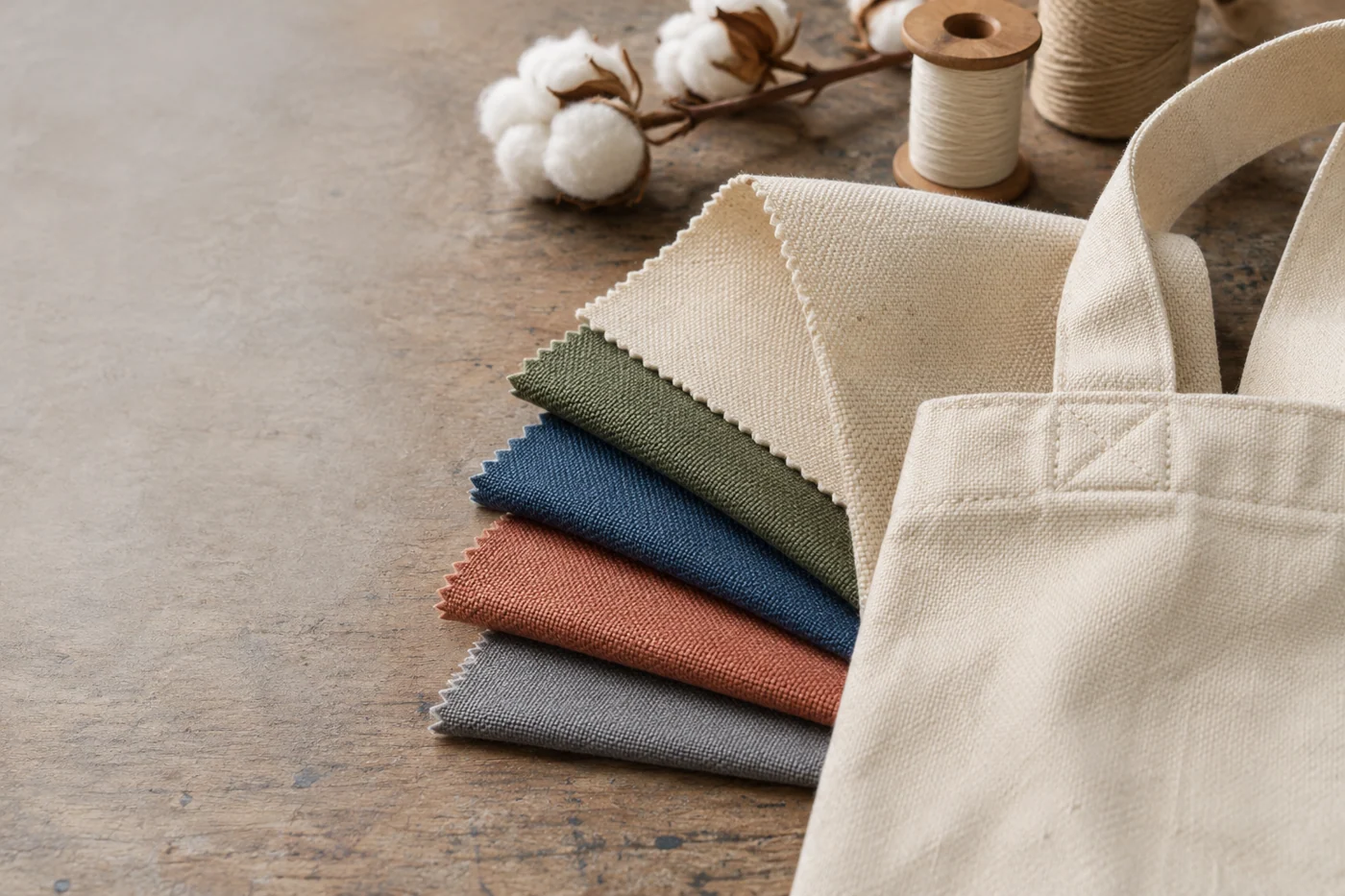
Canvas generally describes a sturdy woven fabric; it does not tell you what fibers are in the yarn. The supplier may offer cotton, polyester or a blend. Those options can look similar in a photo, especially after finishing. Start by asking for the composition, then compare samples for the way your bag will be decorated, handled and cleaned.
Read the material description in three parts
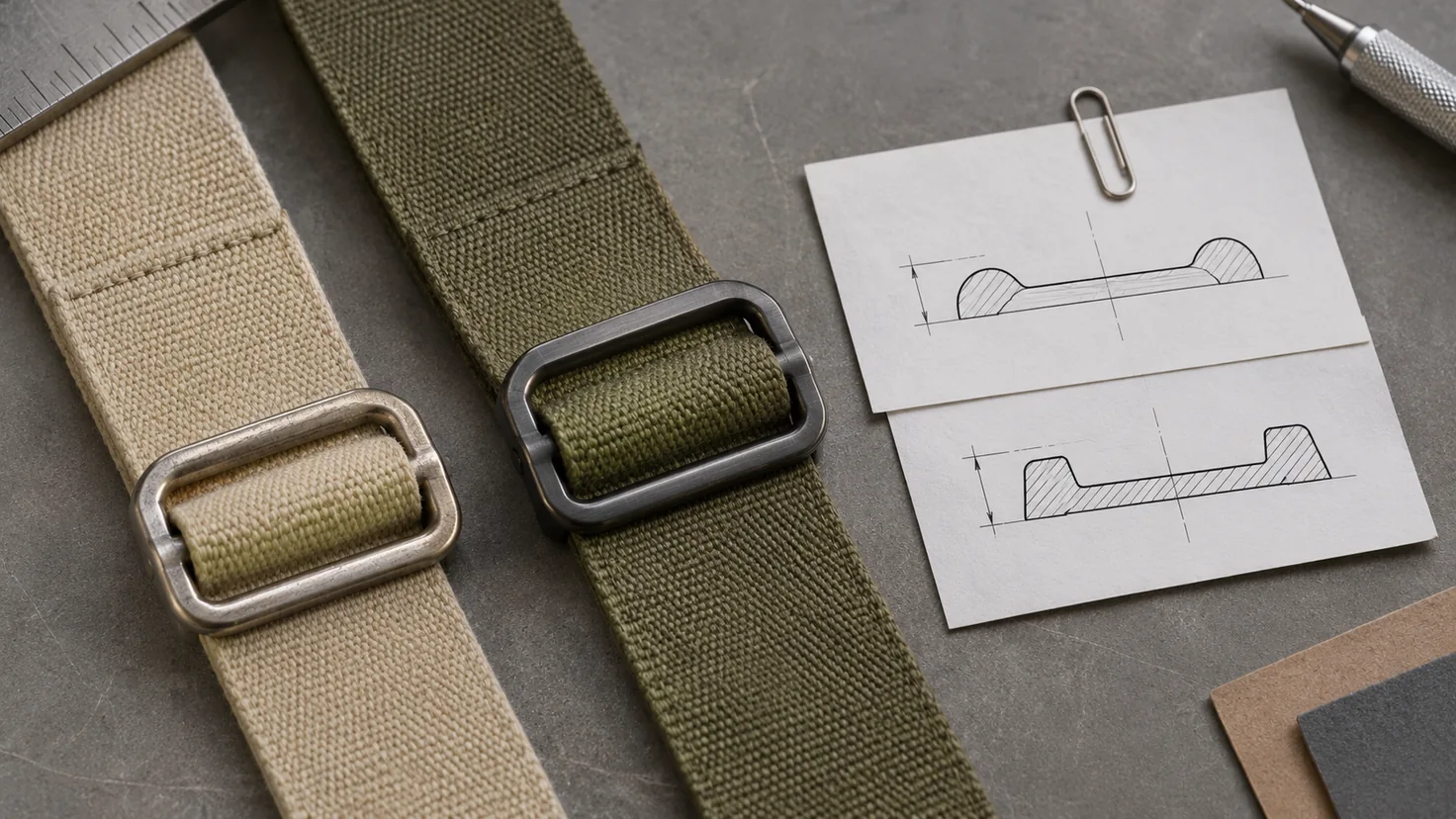
Fiber: ask whether the material is cotton, polyester or a blend and request the stated percentages. Construction: record the weave and visually compare yarn coverage and texture. Finish: ask whether the sample is untreated, dyed, brushed, coated or backed. A finish can make a surface look smoother without changing its fiber composition.
“Natural canvas” can mean the color is undyed or natural-looking; it is not reliable evidence of fiber content. “Heavy canvas” is not a composition. Likewise, a woven surface by itself does not prove it is suitable for every ink, transfer or aftercare instruction.
Ask for comparable swatches before choosing
- Request each option in the intended color and finished state.
- Compare the face and back, looking at weave visibility, color consistency and finish.
- Fold a corner and look for surface changes. Handle the thickness where a strap tab or folded seam will sit.
- Ask for a trial of the actual decoration, placed over the same layer count as in production.
The tote collection shows example shapes and handle choices. The fabric specification is a separate approval, even if your design uses a similar silhouette.
Translate the observation into an order requirement
If two samples feel equally firm but one has a coated back, write the approved finish into the order rather than saying “match the feel.” If the coating is not needed, ask whether omitting it changes construction, care or decoration. If a blend is approved, give the supplier the percentages and the physical reference so a substitute cannot be accepted just because its color looks close.
For an unbleached tote, agree whether visible fiber flecks are part of the appearance or a defect to screen out. If the order uses colored handles, record which material and shade belong to the handle independently of the body. Ask whether the body and handle are sourced and approved as separate lots.
Where to go next
Once the material is selected, use the tote weight, size and handle specification guide for dimensions and loading needs. Send the selected composition, finish, intended contents, color mix, decoration and quantities with the RFQ. Keeping the material reference attached makes later substitutions easier to identify.
Discuss a canvas tote specification
Reference: Tote Bag Factory’s canvas construction overview.