






During Production Inspection: When to Check an Order Before Packing
Inspect an intermediate batch at the point where problems are visible and the rest of the order can still be corrected.

A during-production inspection looks at goods while the order is still being made. Its value is timing: a defect has to be observable, but there must still be time and unprocessed stock to change the outcome. The right checkpoint depends on the item and the repair. It is not a substitute for a final inspection of packed, completed goods.
Pick a stage, not an arbitrary percentage
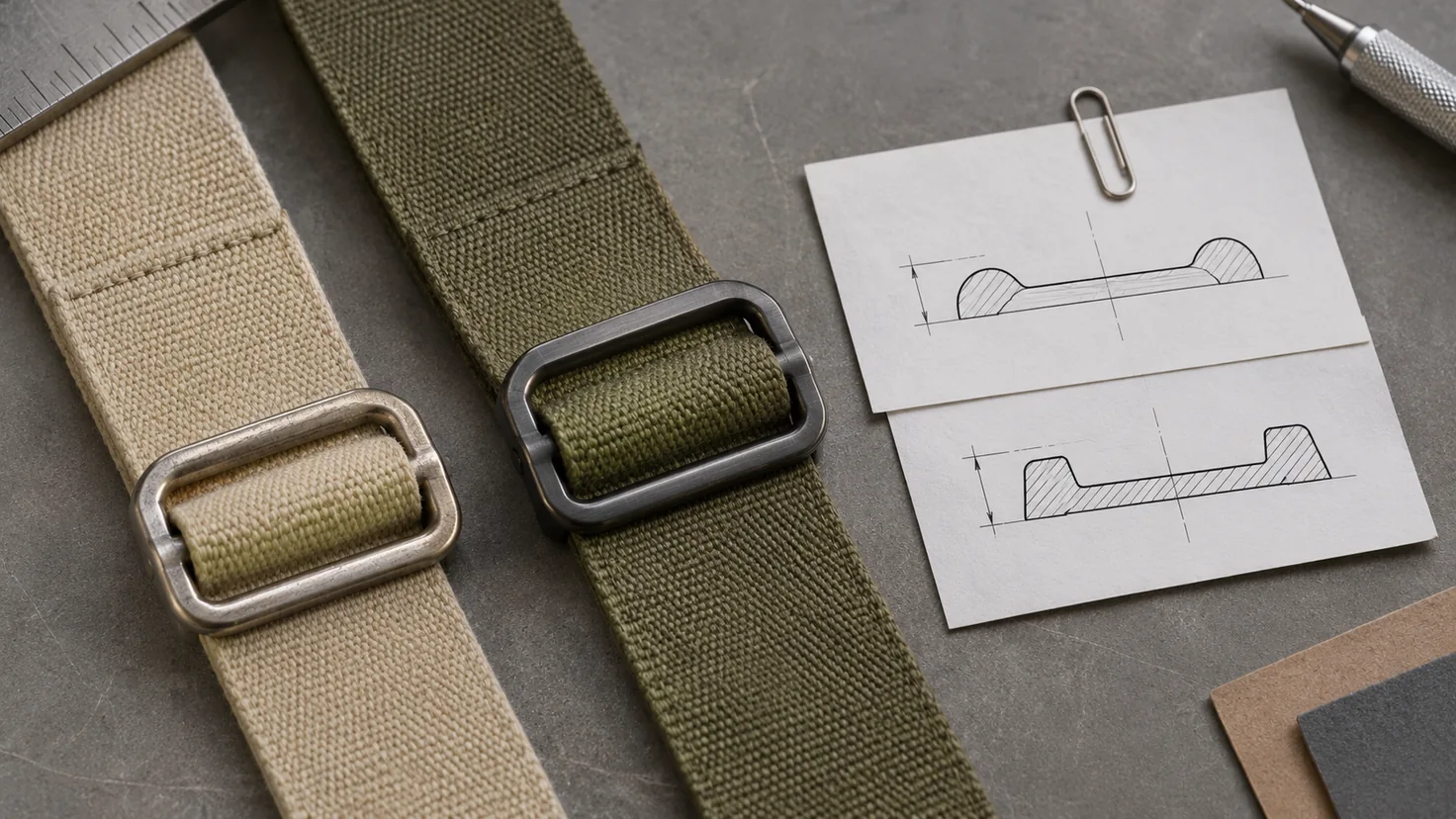
For a lined bag, check that the internal pocket and strap-anchor reinforcement can be seen before the next operation conceals them. For decorated caps, review seam crossings and crown distortion after the decoration operation but before the whole color run has been processed. Tell the inspector which stages are complete and which operations are still open. An inspector cannot evaluate a completed quality feature on a unit that has not reached that operation.
Give the inspector a comparable sample and a defect map
- Supply the approved revision and its measurable decisions, not only a lookbook page.
- List priority variants and the production lot or line they belong to.
- Specify which features the inspector should see at this checkpoint and which belong to a later review.
- Agree where the report must record photos, counts, measurements and the amount of work already completed.
The wholesale bag collection offers references for speaking about different construction stages. Use work-in-progress photos from the actual order to identify where an inspection can happen.
Turn a finding into a production decision
Example: some strap anchors are sewn too close to an edge. First identify the affected lots, set the suspect units aside and compare the anchors with the approved drawing. Confirm who will correct them and at which operation. Check a corrected unit before releasing additional stock through the same step. If the problem only appeared in one color or line, do not assume other lots are affected or unaffected without checking.
A clean intermediate check only covers the work and features it observed. Leave shipping carton counts, paperwork, complete assortments and final condition to the appropriate later checks. The pre-shipment inspection guide covers that later decision.
Add the checkpoint to the project brief
Provide the construction or decoration stage, the feature to observe, the approved comparator, how the finding will be reported and who can release or hold the next lot. Ask what sampling is feasible at that stage and which checks require a separate lab or a later visit.
Discuss inspection points for your order
Reference: QIMA’s overview of product inspection stages.