




Woven vs Printed Labels: Choosing Branding for Bags, Caps and Apparel
Compare label construction, artwork detail, folds and placement for branded bags, caps and clothing.
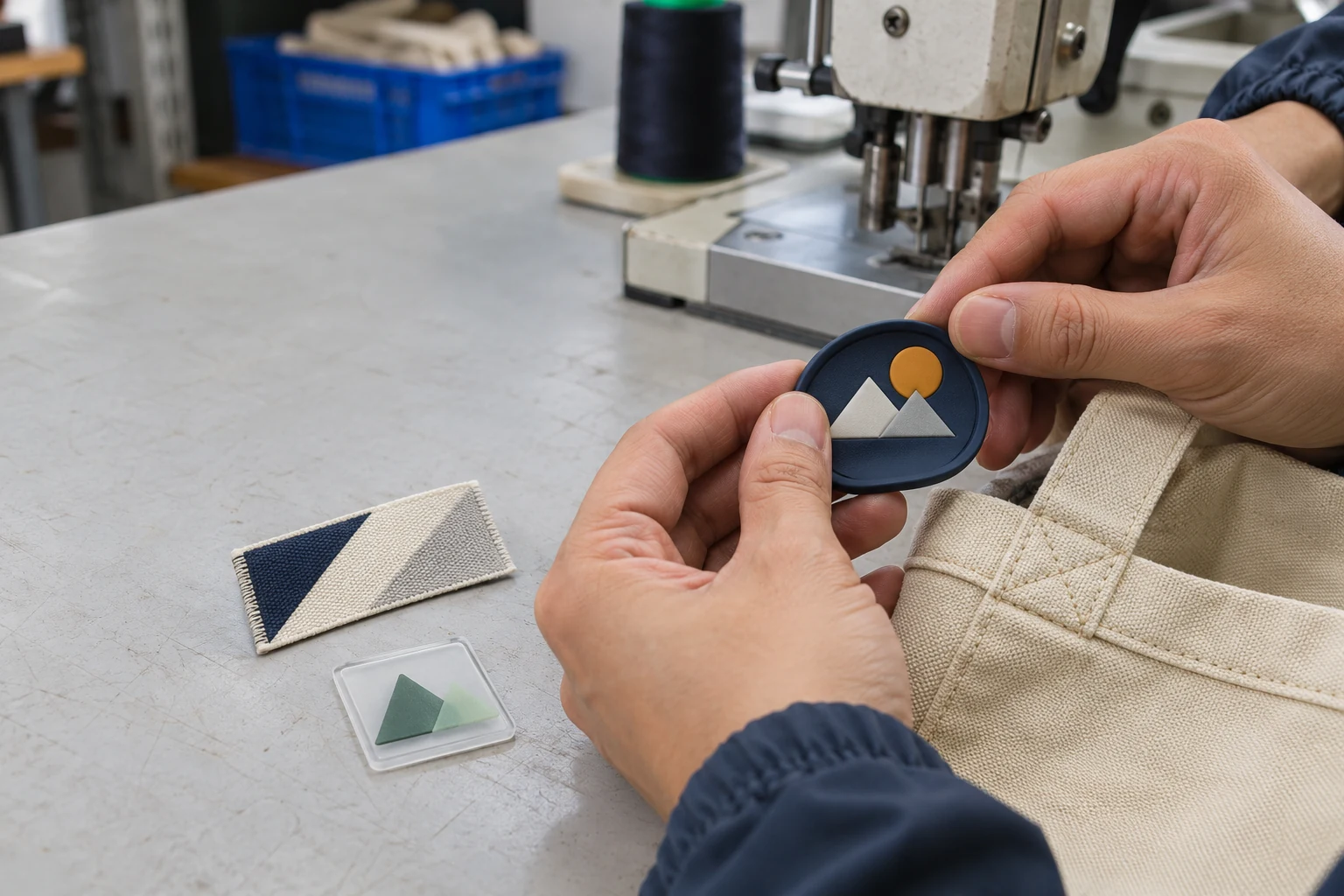
Woven and printed labels create branding in different ways. A woven label forms the design in its thread structure; a printed label applies the design to a base material. The right option depends on the artwork, placement and product—not on a universal rule that one is always more professional.
Start with the artwork and viewing size
Review the logo at its final physical size. Fine lettering, small gaps and detailed gradients may need different treatment depending on the production method. Ask for an artwork review and a physical sample rather than assuming a large digital logo will remain clear when reduced. Provide an editable or high-quality source file and identify any colors that must be matched.
Specify the fold and attachment
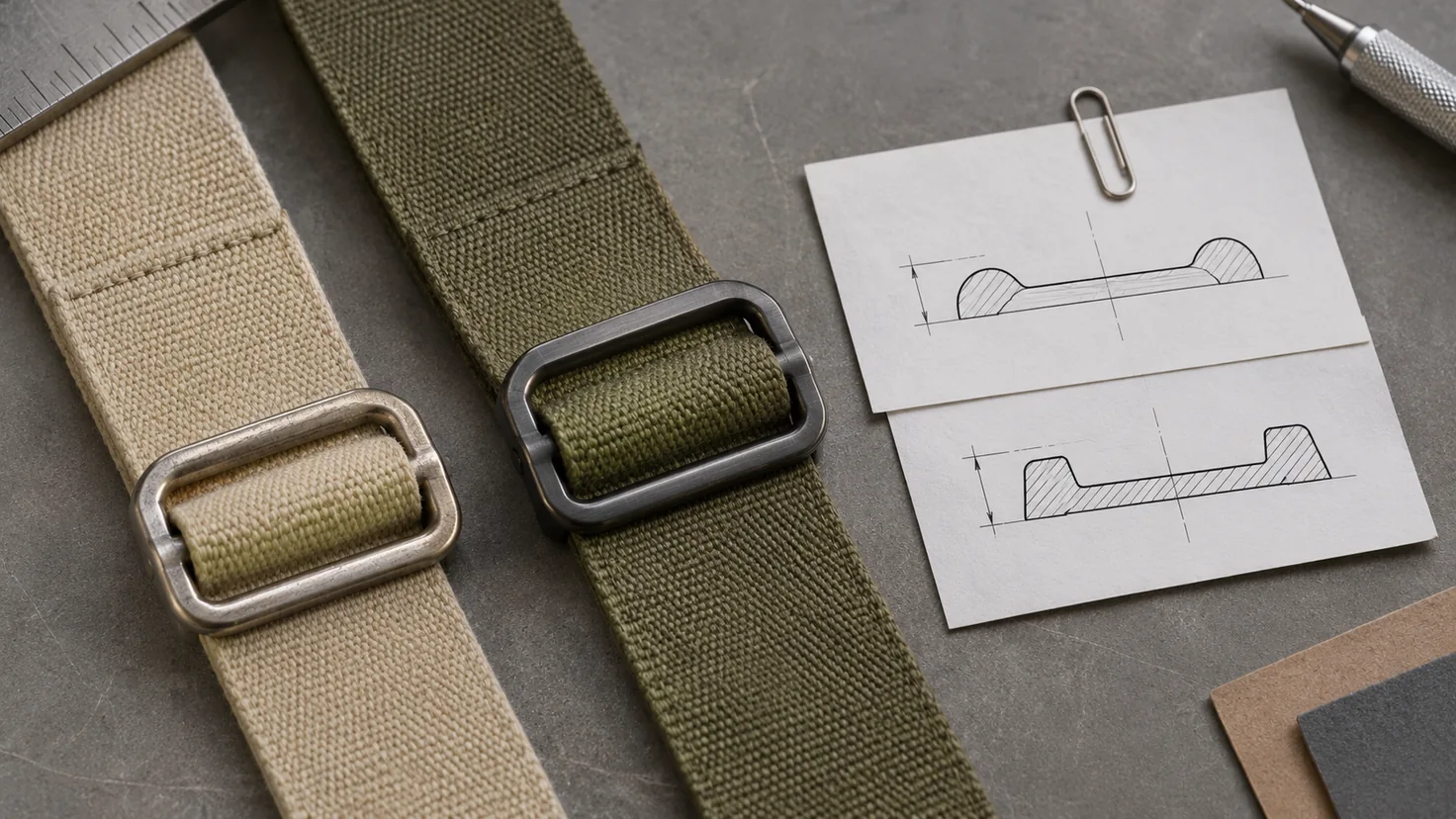
A straight-cut label, end-fold label and loop-style label require different dimensions and sewing allowances. State the visible area separately from the material hidden in the seam. Show whether it sits inside a cap, on a bag lining or at a garment neck. The same finished logo size may need a different overall label size for each placement.
| Decision | Confirm |
|---|---|
| Artwork | Final size, detail and colors |
| Construction | Woven or printed base specification |
| Fold | Visible area and sewing allowance |
| Placement | Exact product location |
| Information | Approved brand and product text |
Check comfort and edge finish
Where a label contacts the wearer, inspect the edge and the assembled result. A label that feels acceptable in the hand may behave differently after being sewn into a seam. For bags and external branding, check alignment, abrasion exposure and how the label interacts with nearby hardware or decoration. Judge the completed product rather than a loose label alone.
Separate branding from required information
A brand label does not automatically satisfy product information or care-label requirements. Identify which information must appear elsewhere for the destination and product. Do not assume a decorative logo patch can replace a required information label. Have the responsible party review the final text and placement before bulk printing or sewing.
Compare other branding formats only when relevant
Silicone, TPU and embroidered patches offer different profiles and attachment possibilities. They may suit a bag exterior or cap design better than a woven label, but they are not interchangeable. If considering alternatives, request separate material, thickness, finish and application details. Keep the preferred brand effect distinct from the functional requirements of the product.
Questions buyers ask
Are printed labels always less durable?
Do not generalize. Base material, printing system, care conditions and construction all matter; review the relevant sample and checks.
Can the supplier choose my care text?
Provide accurate product information and have the applicable requirements reviewed. Do not treat generic copied wording as approval.
Prepare your quotation request
Send the logo file, final visible size, fold, placement photo, quantities and destination. State whether the request covers labels only or attachment to finished bags, caps or clothing.
Related products and planning guides
Reference: Dutch Label Shop label and artwork guidance. Product availability and project requirements are confirmed in your quotation.