






CMT vs Full-Package Production: Which Clothing Manufacturing Model Fits?
Compare production responsibilities, sourcing ownership and quotation scope before choosing CMT or full-package apparel manufacturing.

CMT and full-package production describe different ways of dividing responsibilities in a clothing order. The key buying decision is not the acronym. It is who supplies materials, develops production information, manages approvals and takes responsibility for each deliverable.
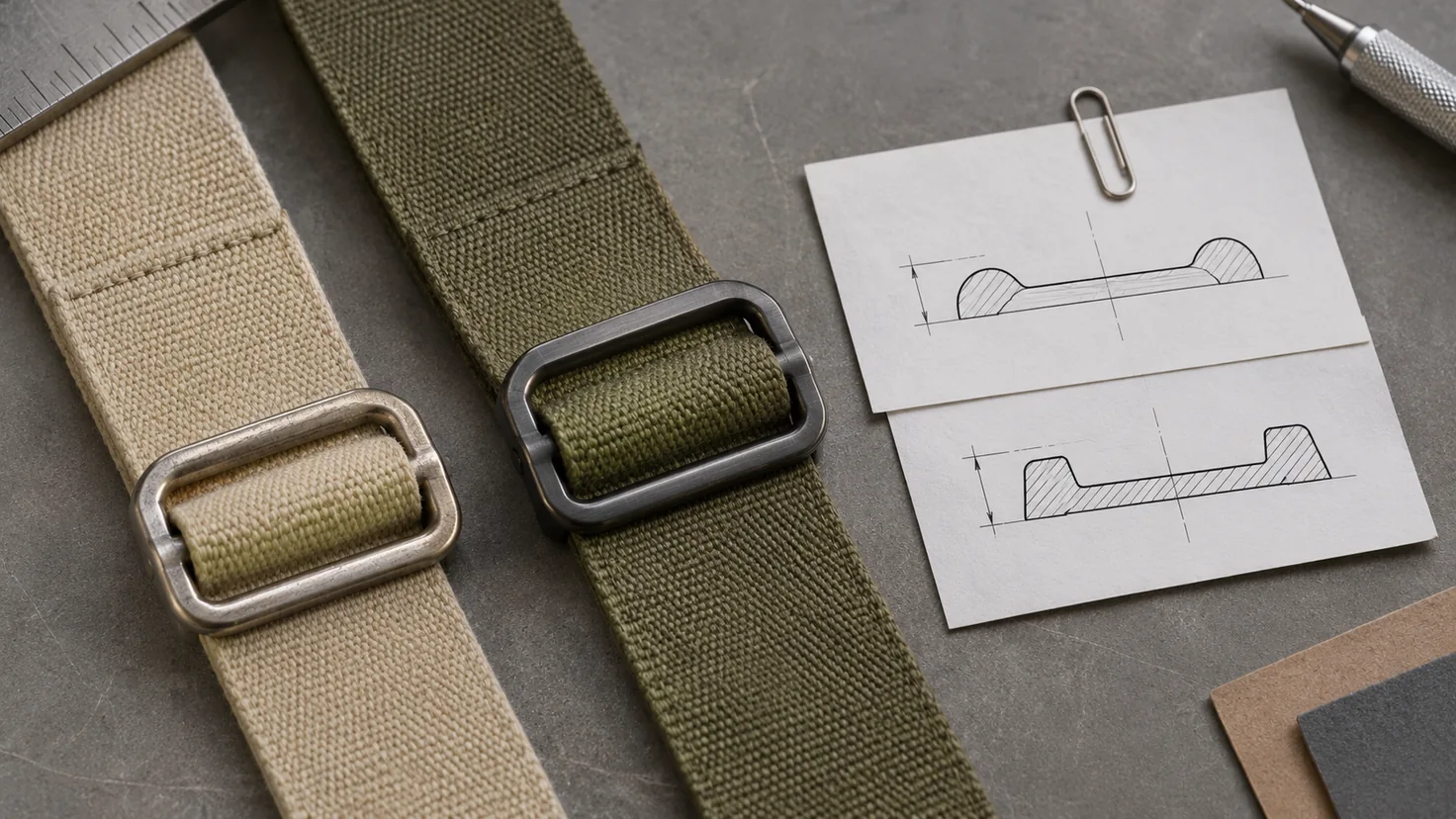
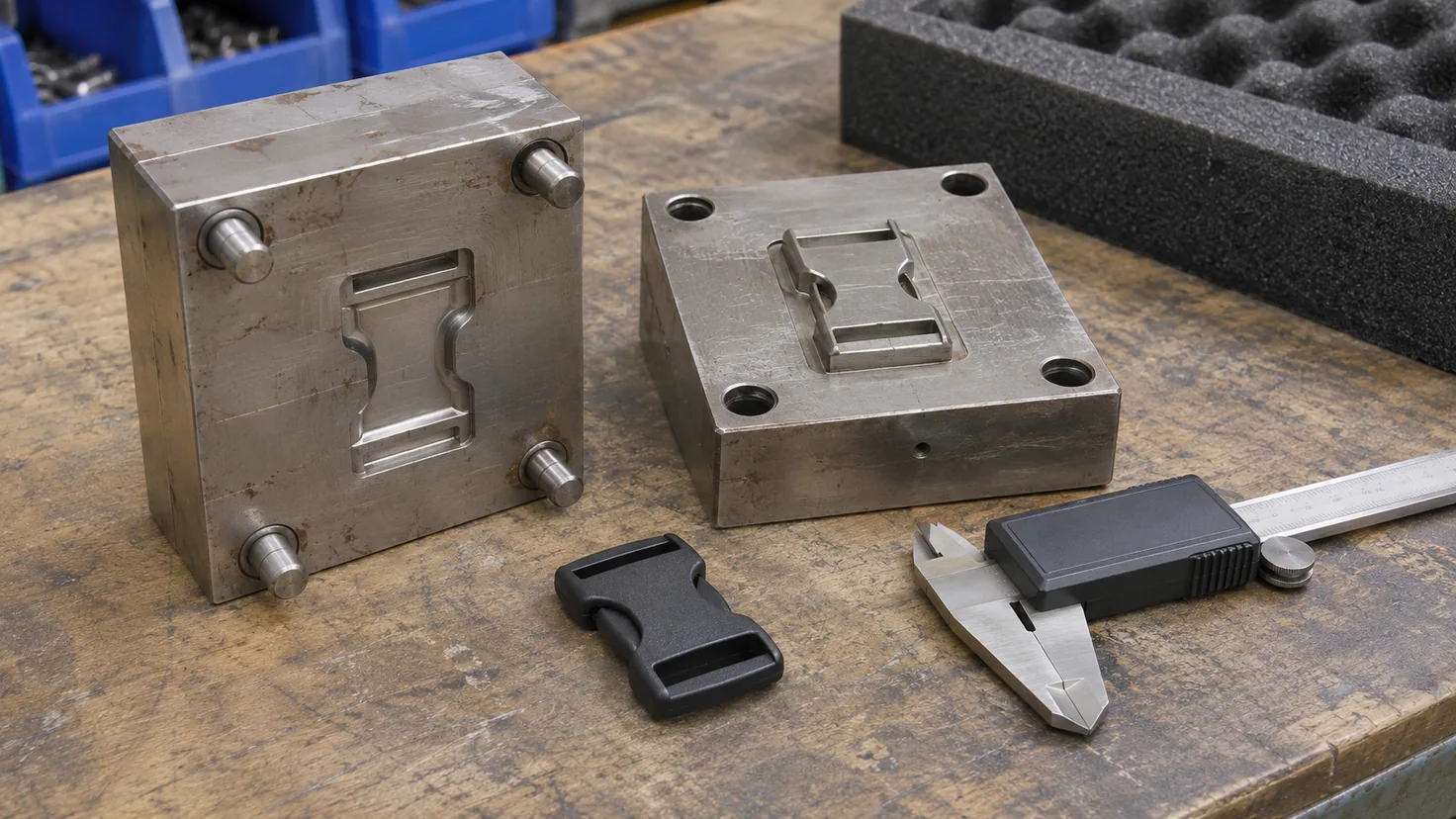
For sewn bags, assign responsibility for shell fabric, lining, handles, hardware and patterns as well as assembly. The development review shown here reflects the component decisions that need an owner before production begins.
Understand the typical division
CMT commonly means cut, make and trim: a manufacturing arrangement where the buyer supplies more of the inputs and instructions. Full-package production usually includes a wider sourcing and production scope. Providers use these terms differently, so never assume the label alone defines the contract. Ask for a written responsibility matrix before comparing prices.
Check what your team can supply
If you already manage patterns, approved fabric, trims and technical specifications, a narrower production arrangement may fit your workflow. If those elements are incomplete, you may need development and sourcing support. Be honest about missing inputs. An apparently lower sewing price is not the full project cost if your team still has to source, ship and coordinate every component.
| Responsibility | Question to settle |
|---|---|
| Fabric and trims | Who sources, purchases and approves them? |
| Patterns and grading | Who develops and owns the files? |
| Samples and testing | What rounds and checks are included? |
| Packing and delivery | Where does the quoted responsibility end? |
Allocate material responsibility
Specify who buys fabric and trims, who approves substitutions and who handles shortages or rejected material. Include delivery timing to the production location and the treatment of unused inventory. A late label or incorrect fabric can disrupt a schedule even when sewing capacity is available. Agree the escalation process rather than waiting until a component is missing.
Separate included and optional services
Pattern work, grading, sample revisions, testing, packing and freight may be included, excluded or separately charged. Ask each supplier to quote the same scope. For full-package proposals, identify which stages require your approval and what happens when approval is delayed. For CMT, confirm the required condition and completeness of buyer-supplied inputs.
Choose for control and coordination needs
CMT can suit a buyer with strong development and sourcing control. A broader package can reduce the number of handoffs the buyer manages, but still needs a clear specification and approval process. Neither model removes the need for quality planning. Select the arrangement that matches your team’s capabilities and the actual product, not the one with the most impressive description.
Questions buyers ask
Is full package the same as ODM?
No. Full package concerns the scope of supply and coordination; OEM and ODM describe different design and manufacturing arrangements. Clarify both.
Does CMT always cost less overall?
Not necessarily. Compare the total cost of all buyer and supplier responsibilities, not only the factory’s sewing charge.
Prepare your quotation request
List the materials, patterns and files you already have, then identify the support you need. Include quantities, quality requirements, packing and destination so Teebling can discuss a defined service scope.
Related products and planning guides
Reference: Techpacker manufacturing models. Product availability and project requirements are confirmed in your quotation.