



OEM vs ODM Clothing Manufacturing: Which Model Fits Your Brand?
Understand who develops the product, which decisions remain with your brand and what to confirm before sampling.
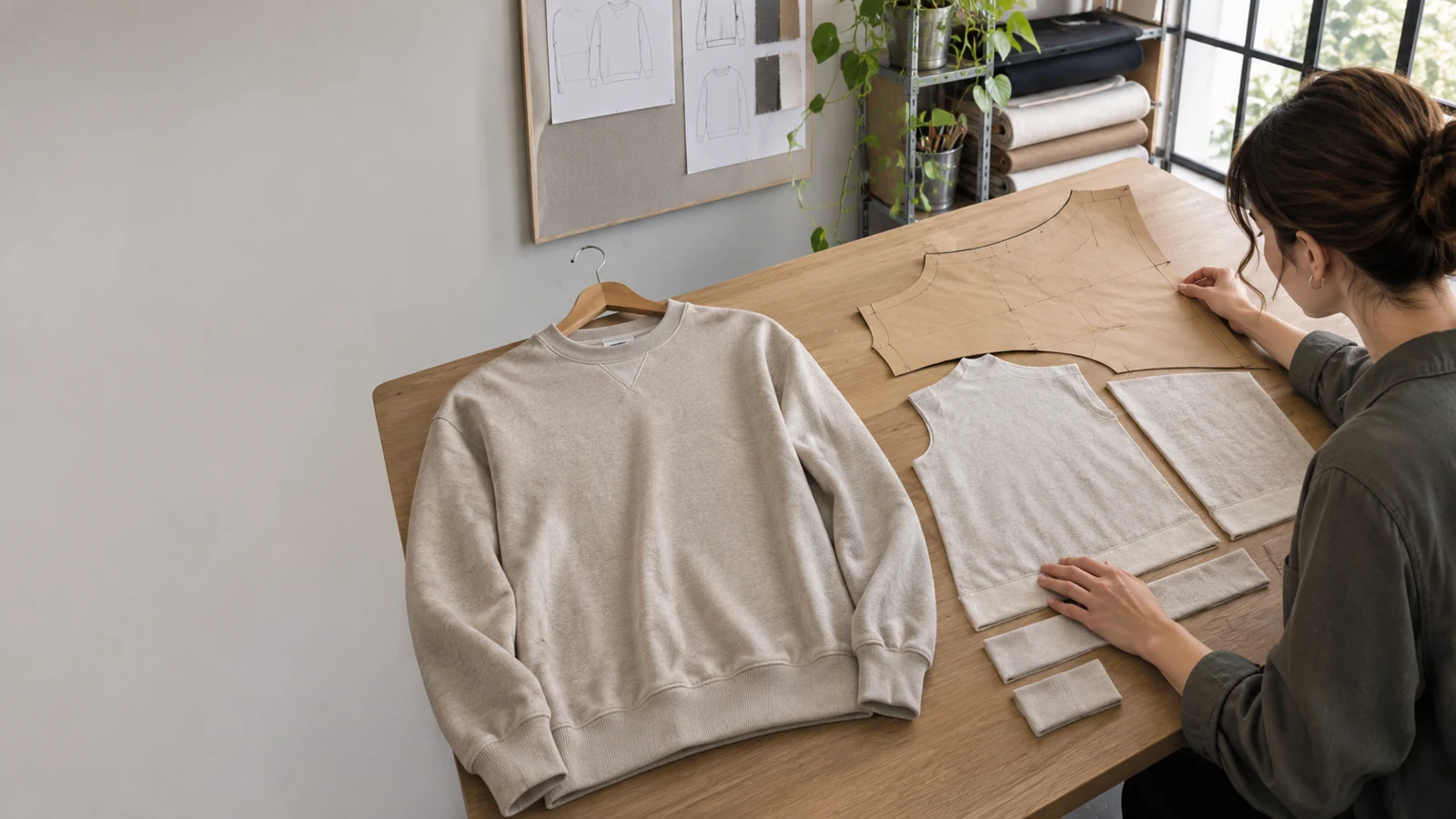
OEM and ODM describe different ways of sharing product-development work. For apparel buyers, the useful question is not which abbreviation sounds more advanced. It is how much of the garment already exists, who develops the remaining details and what the supplier is actually quoting.
What OEM means for clothing
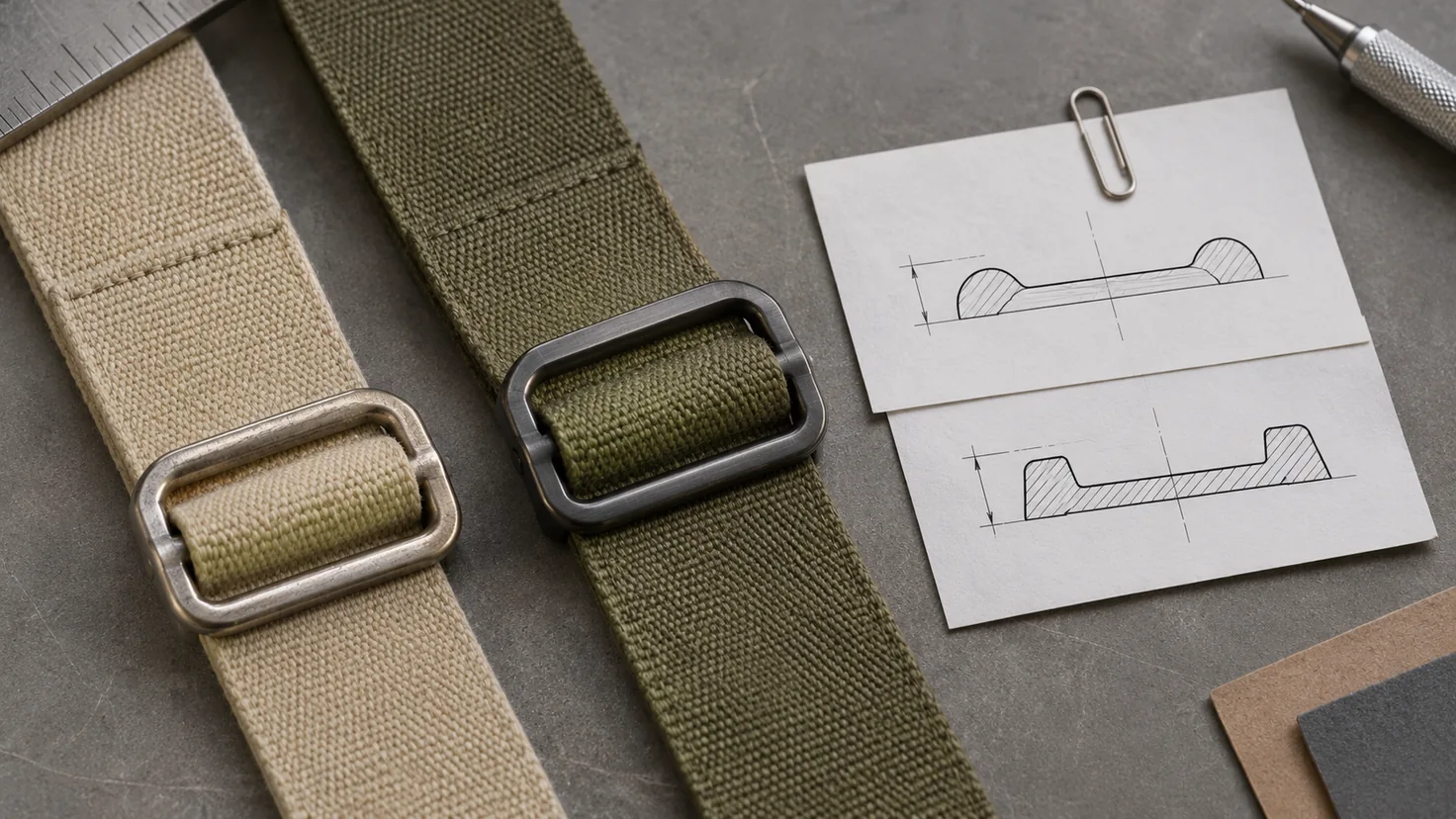
In an OEM arrangement, your brand typically brings the product direction and specifications. You may supply technical drawings, fit requirements, artwork and material preferences. The manufacturer still needs to assess feasibility and may propose construction or sourcing changes.
Do not assume OEM means that you must supply every physical component. Material purchasing, pattern development and packaging can be included or excluded. List each responsibility in the quotation so there is no ambiguity about what “manufacturing” covers.
What ODM means for clothing
With ODM, the supplier contributes an existing design platform or develops a product direction for the buyer. You might select a garment silhouette and discuss adjustments to fabric, color, branding or finishing. The permitted changes depend on the supplier’s offer.
This can reduce the number of design decisions at the start, but it does not remove the need for samples and approvals. An existing design still needs to meet your fit expectations and the requirements of the intended order.
Compare the two approaches
| Decision | OEM discussion | ODM discussion |
|---|---|---|
| Starting point | Your specification or design brief | Supplier design or development proposal |
| Customization | Feasibility of your detailed requirements | Which changes the design platform permits |
| Sampling | How the specification becomes an approved garment | How the selected design and modifications are confirmed |
| Repeat orders | Control of the approved specification and materials | Continuity of the base style and selected options |
Use your starting point to choose
If you already have a tested fit, technical package and defined collection, a specification-led discussion may be appropriate. If you need help selecting a product direction, ask about available design platforms and the development support offered.
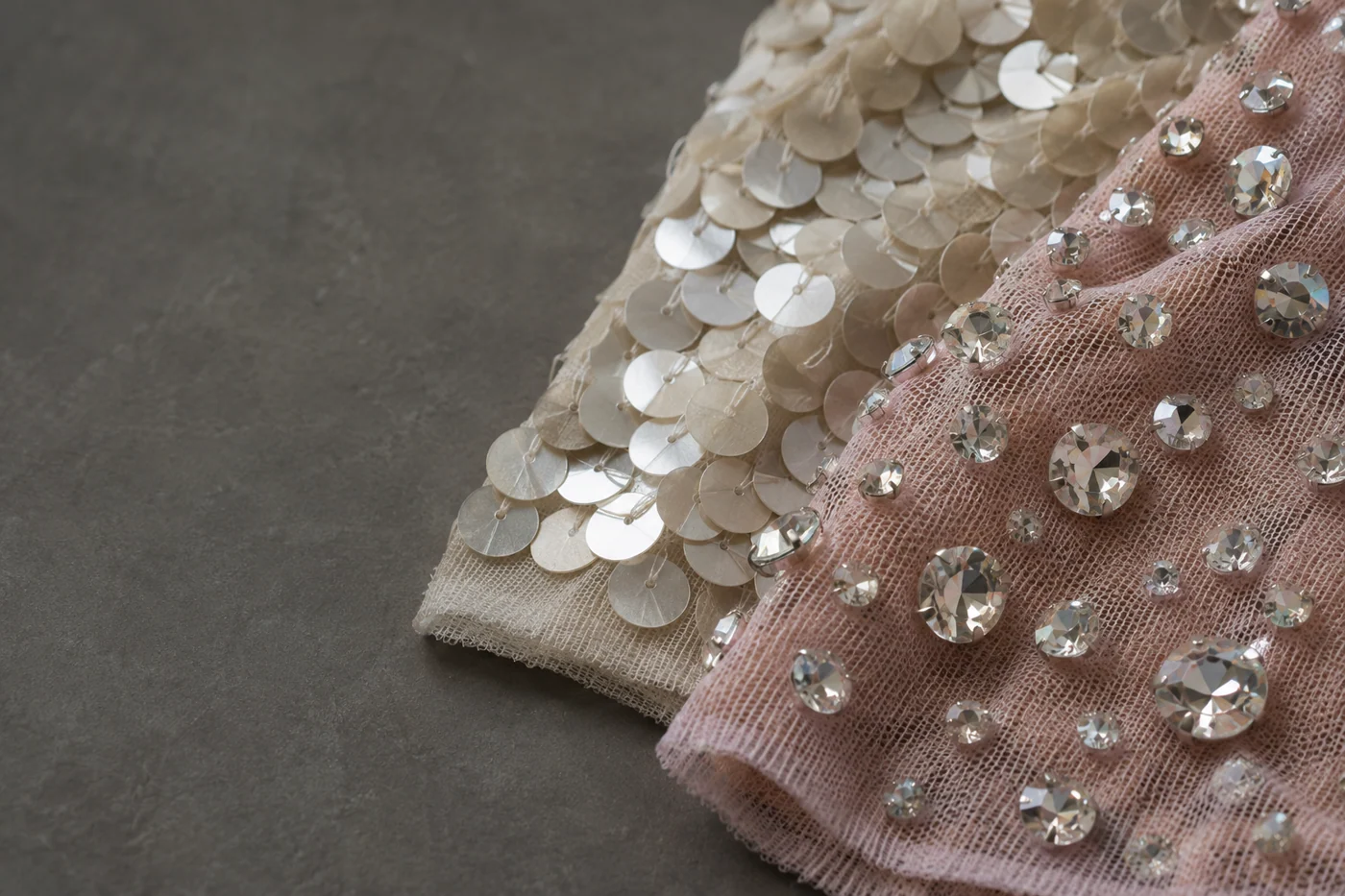
For example, a retailer ordering an established tee with a new rhinestone layout has different needs from a brand developing a new neckline, body shape and fabric combination. Describe the actual work rather than forcing both projects into the same service category.
Confirm these points in writing
- Who creates the technical drawings, patterns and size specifications?
- Which material choices are fixed and which can change?
- How many sample stages are quoted, and how are revisions charged?
- What files and approved references will you receive?
- Which design, artwork and exclusivity terms require a separate agreement?
- How will substitutions or discontinued components be handled?
OEM or ODM terminology does not itself grant ownership or exclusivity. Have the relevant rights and permitted uses documented for your project. Do not assume that adding a brand label prevents another buyer from ordering the same underlying style.
Common questions
Is ODM always faster or cheaper?
No. An available base style may simplify development, but material availability, requested changes, sampling and production scheduling still affect the order. Compare written proposals for the same finished requirement.
Can one collection use both approaches?
Yes. You can discuss supplier-developed basics alongside specification-led garments. Maintain separate style codes and approvals so the production instructions remain clear.
Explore Teebling’s customization capabilities and compare private-label and white-label clothing before choosing your production brief.
Further reading: ILO: garment production models.