



Private Label vs White Label Clothing: Customization, Costs and Ownership
Compare ready-developed garments with specification-led products and identify the branding details your quotation should cover.
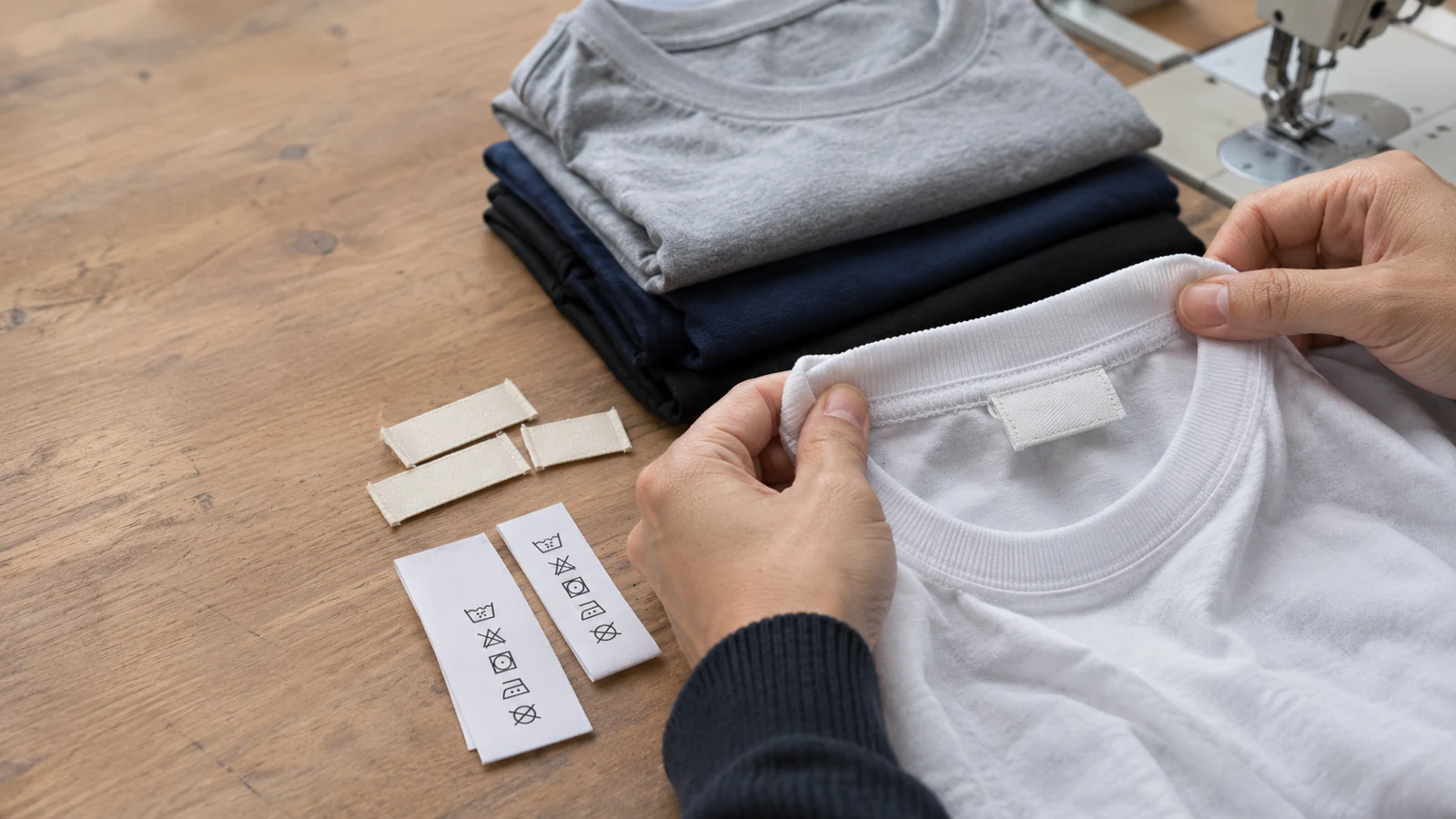
Putting your name on a garment is only one part of building a clothing range. The more important decision is how much control you need over the product beneath the label. Private-label and white-label offers can look similar on a sales page while involving very different development work.
Start with the garment, not the label
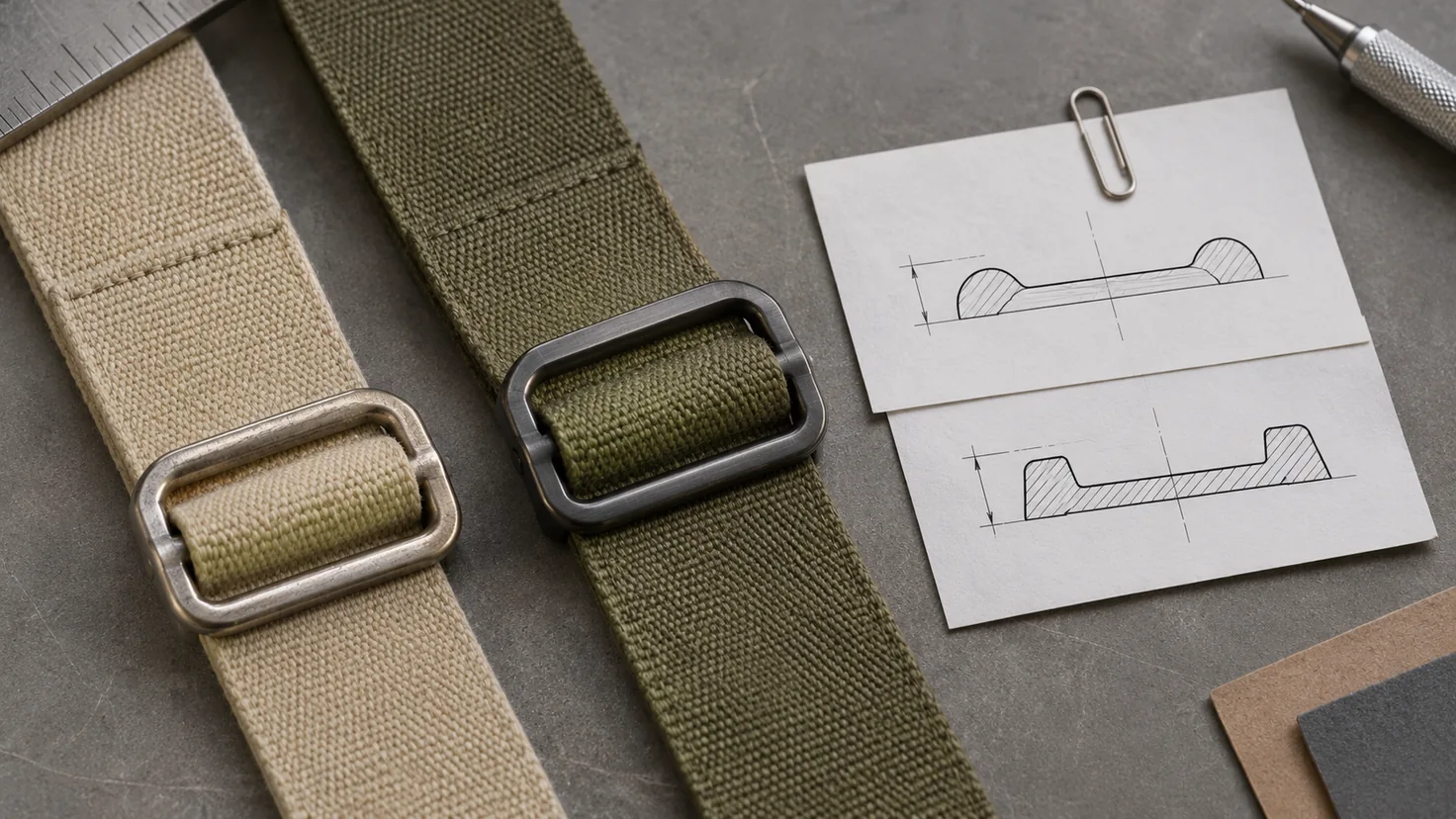
Ask whether you are selecting a stock style, modifying an existing fit or developing a new garment. Then identify what can change: fabric, color, measurements, seams, artwork, labels and packaging. A supplier that offers a custom neck label may not offer a new pattern or exclusive fabric.
Make a two-column brief: essential brand requirements and flexible details. If an established garment already meets your needs, avoid paying for unnecessary development. If your fit and construction define the product, confirm that the service can support those changes.
What the quotation should distinguish
| Area | Ready-developed / white-label route | Tailored / private-label route |
|---|---|---|
| Base product | Review the existing style and available options | Define and approve your garment requirements |
| Branding | Confirm permitted label and artwork changes | Specify branding as part of the complete product |
| Development | Check any modification or setup costs | Allow for technical development and sample revisions |
| Continuity | Ask about base-style availability | Record the approved materials and specification revision |
Plan labels as part of the product
Create an inventory of every branding location: inside neck, size label, care label, hangtag and outer packaging. State which artwork is supplied and which files still need preparing. A woven label, printed neck transfer and sewn satin label have different appearance and application requirements.
Confirm that branding changes do not remove information required for the intended market. Keep the branding brief separate from the review of mandatory product information. If you sell into more than one market, identify those destinations early and obtain qualified advice where needed.
Compare costs without overlooking development
Request separate amounts for the base garment, decoration, labels, packaging, samples and setup. Ask whether a quoted setup cost applies once, per design, per color or again on a repeat order. This gives you a usable comparison even when suppliers bundle their services differently.
Do not compare a stock tee with a fully developed garment using unit price alone. One may include work that the other leaves to your team. Also consider how much inventory you need to commit to each color and size, using our minimum order quantity guide.
Clarify rights and repeat-order control
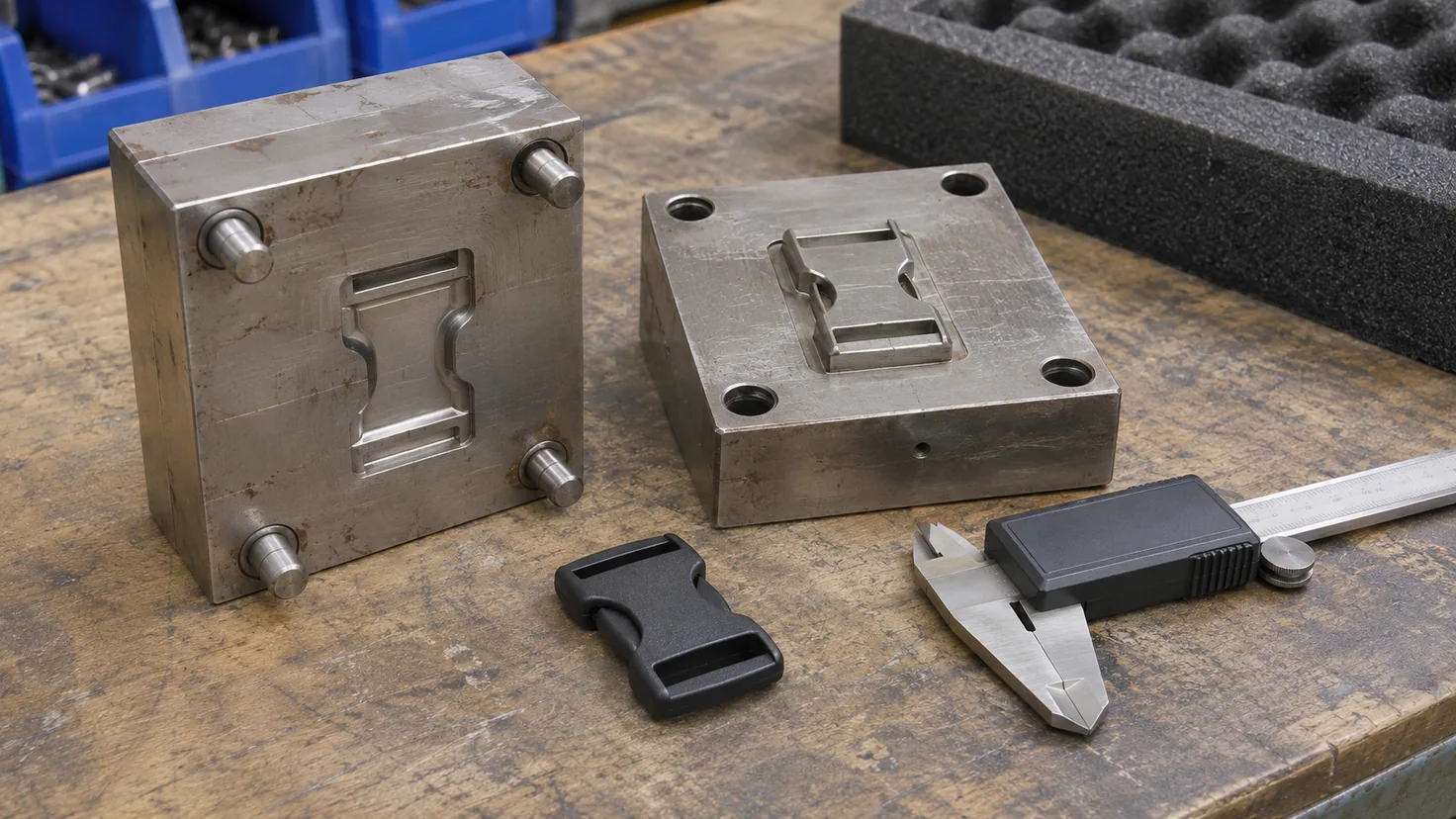
Your brand artwork, a supplier’s base pattern and jointly developed details are different things. Ask what you can reuse, whether you receive development files and whether any exclusivity is included. Document agreed terms rather than treating “private label” as a promise of exclusive ownership.
- Record the exact base style or approved custom specification.
- Retain approved label and artwork files with version numbers.
- Confirm the process for material substitutions.
- Identify who authorizes changes on repeat orders.
Common buyer questions
Can I add rhinestones to a white-label garment?
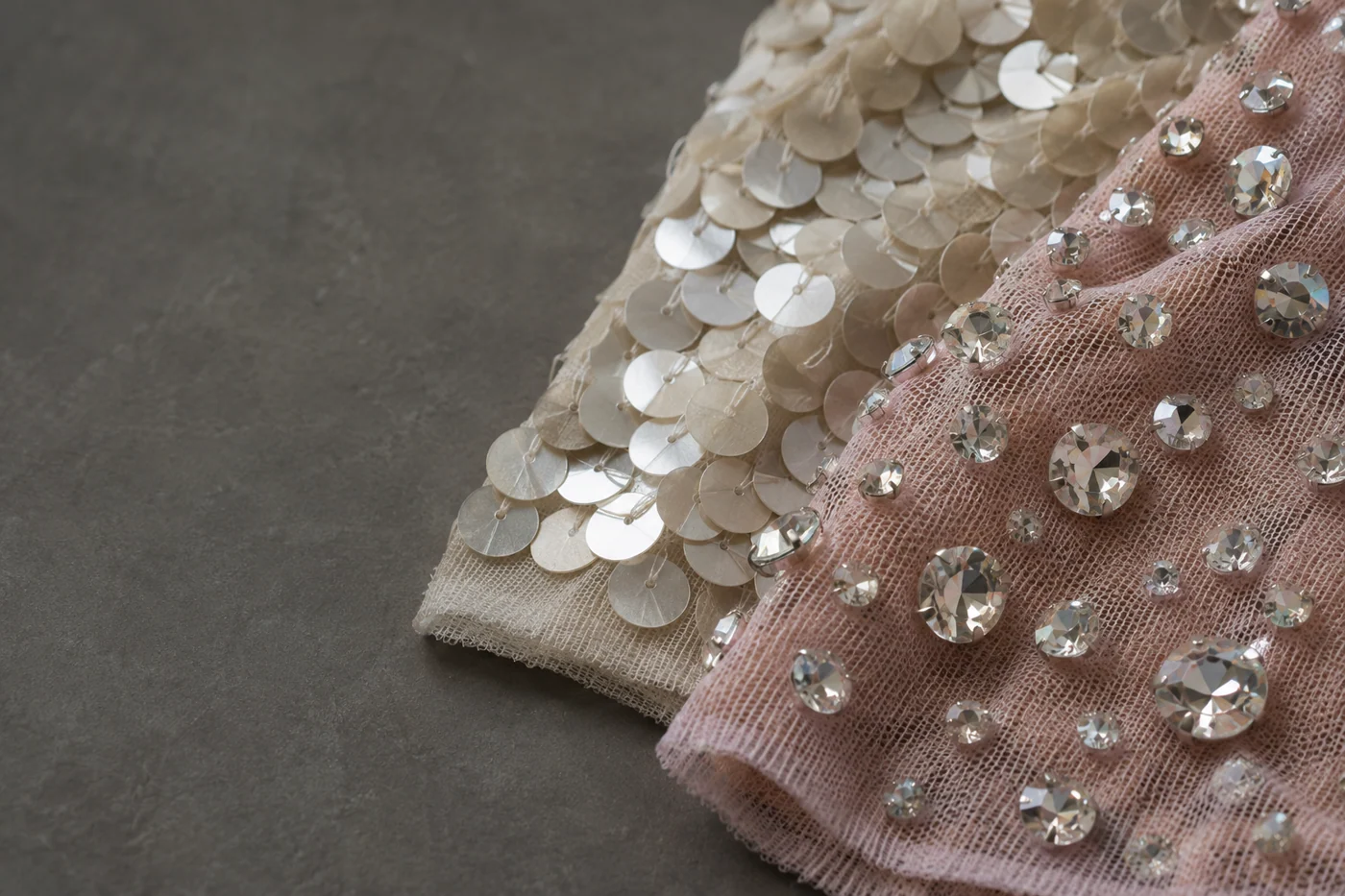
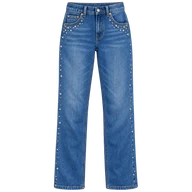
Potentially, but decoration suitability needs review against the material, construction and intended care method. Approve a decorated sample rather than judging the blank garment alone.
Which model is better for a new brand?
Choose according to your product requirements and development resources. A simpler starting product can reduce open decisions; a differentiated fit may justify additional development.
Discuss private-label product development and customization with a clear list of what must change and what can stay standard.
Further reading: Shopify: private-label products.