




Fabric Shrinkage Testing: What to Agree Before a Clothing Order
Define laundering conditions, measurement points and acceptable dimensional change before approving fabric or finished garments.
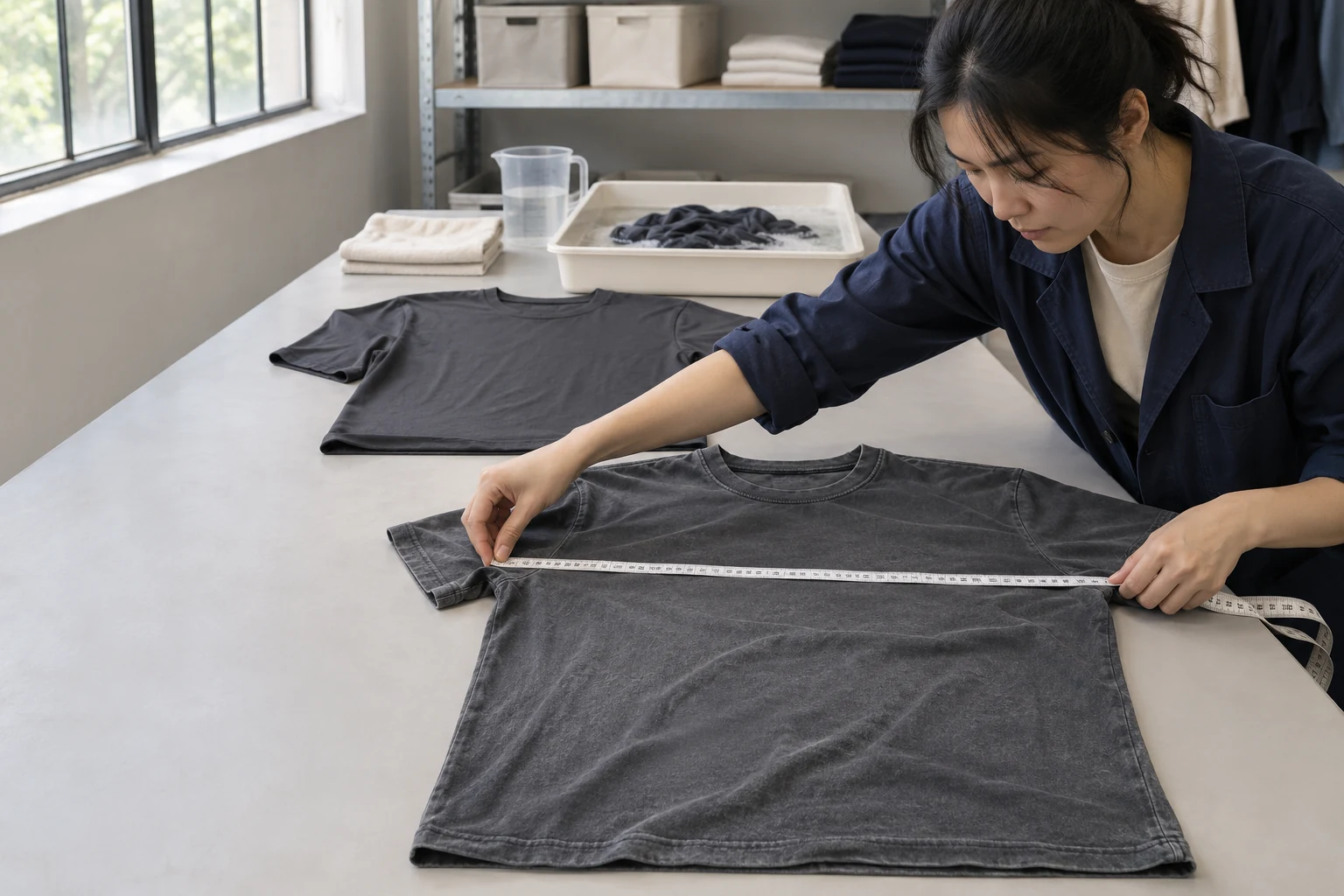
Fabric shrinkage is a change in dimensions after a defined treatment, often laundering. For a clothing buyer, the useful question is not just 'Will it shrink?' It is whether the finished garment remains within the agreed fit and appearance requirements after the specified care procedure.
Define what is being evaluated
A fabric test and a finished-garment test answer related but different questions. Fabric behavior helps assess the material; a garment also includes seams, trims, decoration and construction effects. AATCC lists separate methods for dimensional change of fabrics and garments after home laundering. Ask the laboratory or quality team to identify the appropriate method and current edition for your product.
Agree the conditions before testing
Specify washing and drying conditions, the number of cycles, conditioning and measurement procedure. A result without its conditions is difficult to interpret. Different drying methods can produce different outcomes. Align the review with the intended care instructions and buyer requirements, and do not choose a mild procedure solely to obtain a more attractive result.
| Record | Why it matters |
|---|---|
| Material or garment identity | Connects the result to the supplied item |
| Procedure and care conditions | Makes results comparable |
| Initial and final measurements | Shows direction-specific change |
| Agreed acceptance limits | Separates measurement from a pass/fail decision |
Measure length and width separately
Dimensional change can differ by direction. Record initial and final measurements for each agreed point rather than reporting a single average that hides a problem. For a simple planning calculation, shrinkage percentage equals the initial measurement minus the final measurement, divided by the initial measurement, multiplied by 100. State the sign convention when reporting growth as well.
Use a numerical example carefully
If a marked length changes from 50 cm to 48.5 cm, the reduction is 1.5 cm, or 3%. That arithmetic explains the calculation; it does not establish that 3% is acceptable for your order. Acceptance depends on the product, fit and agreed requirement. Do not turn a convenient example into a universal pass limit.
Resolve failures before bulk approval
If a sample falls outside the requirement, identify whether the material, finishing, construction or specification needs revision. Simply adding length to the pattern may not solve uneven shrinkage, twisting or trim behavior. Recheck the revised sample under the same conditions and retain the results with the approved specification. Repeat orders should use the agreed material and process reference.
Questions buyers ask
Does preshrunk mean zero shrinkage?
No. Ask what process was used and evaluate the remaining dimensional change under the agreed procedure.
Can an undecorated fabric test approve a decorated garment?
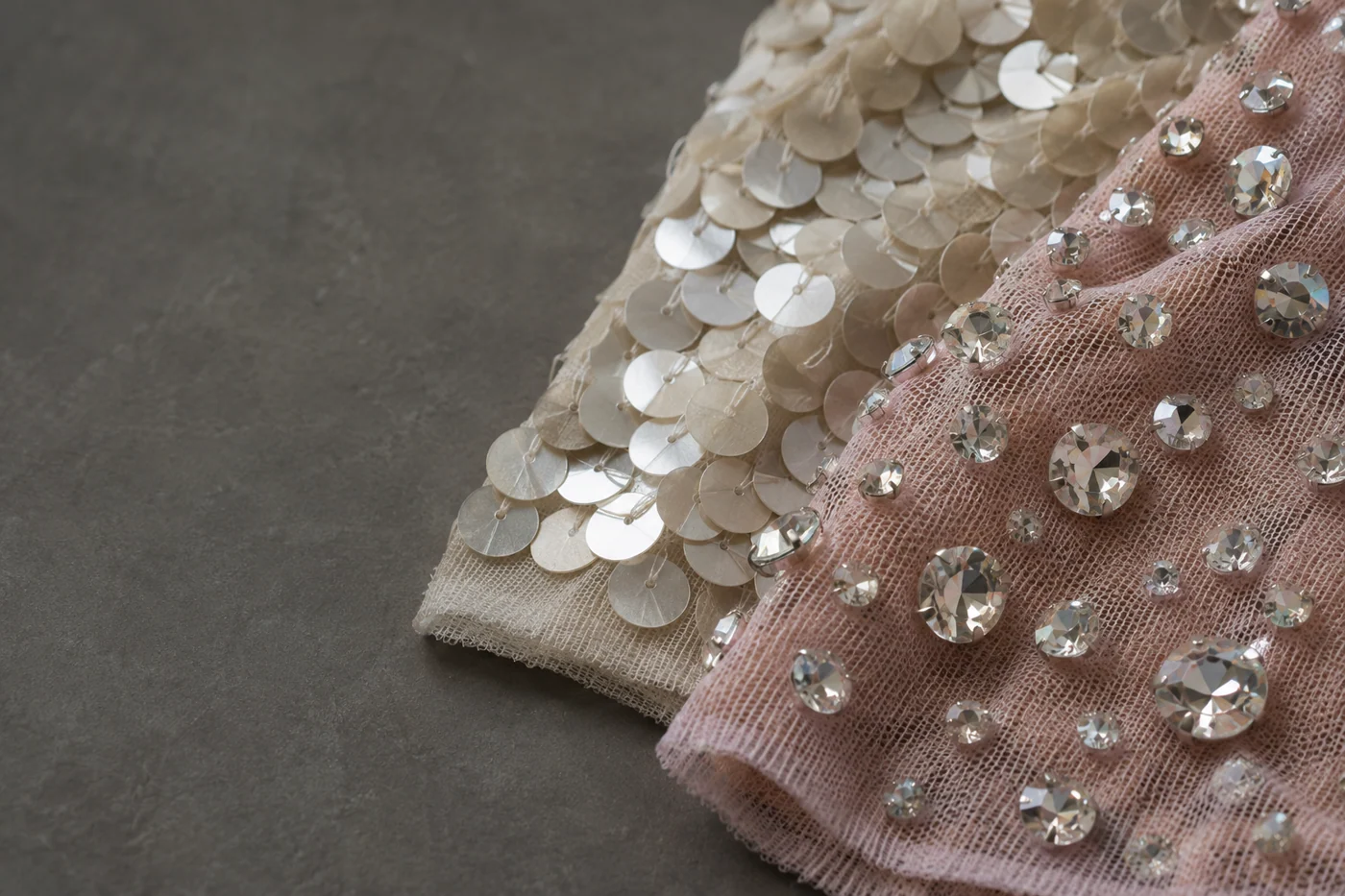
Not by itself. The finished garment may need its own review because construction, trims and decoration can change the result.
Prepare your quotation request
Provide the garment specification, care expectations, target market, measurement points and any buyer test requirements. Ask the quotation to separate sample development, relevant testing and any repeat checks after changes.
Related products and planning guides
Reference: AATCC test method directory. Product availability and project requirements are confirmed in your quotation.